

Music stickers have become increasingly popular among music enthusiasts, educators, and creative individuals seeking new ways to express their passion for sound and rhythm. These versatile decorative items feature a wide range of musical elements – from instruments and notes to famous artists and cultural icons – serving multiple purposes across educational, personal, and professional contexts. The growing appeal of music stickers reflects their unique ability to bridge the gap between auditory passion and visual expression, making them valuable tools for communication, learning, and personalization.
Educational Applications in Music Learning
One of the most significant benefits of music stickers lies in their educational value, particularly for beginning music students. Teachers and instructors frequently use music stickers as visual aids to make abstract musical concepts more accessible and engaging. For young children just starting their musical journey, music stickers featuring colorful notes, clefs, and instruments help demystify sheet music and make learning feel more like play. The tactile experience of handling and placing music stickers reinforces learning through multiple senses, helping students internalize musical fundamentals more effectively.
In formal music education, music stickers serve practical functions on instruments themselves. Many teachers apply music stickers to instrument fingerboards to mark note positions, helping students develop proper finger placement and muscle memory. Piano teachers often use music sticker systems on keys to help beginners recognize patterns and positions, gradually removing them as students gain confidence. These applications demonstrate how music stickers can scaffold learning, providing crucial support during early stages of musical development that naturally phases out as skills improve.
Beyond instrument instruction, music stickers enhance music theory education. Educators create interactive theory worksheets using music stickers for note identification, rhythm exercises, and composition activities. The hands-on nature of sticker-based learning keeps students engaged with material that might otherwise feel abstract or intimidating. Special needs music programs have particularly embraced music stickers as adaptive tools that make musical concepts accessible to diverse learners, including those with visual, cognitive, or physical challenges.
Personal Expression and Fan Culture
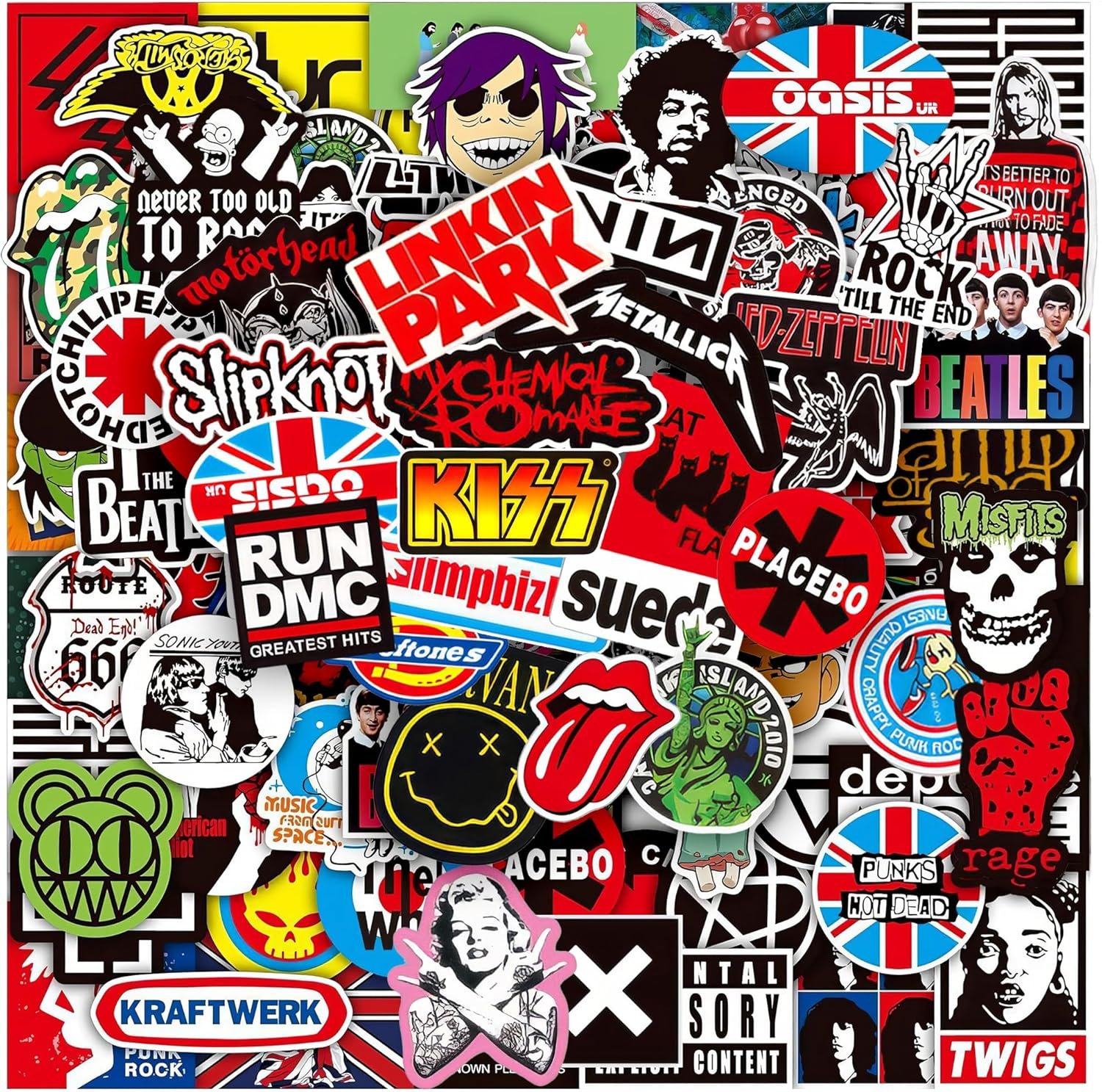
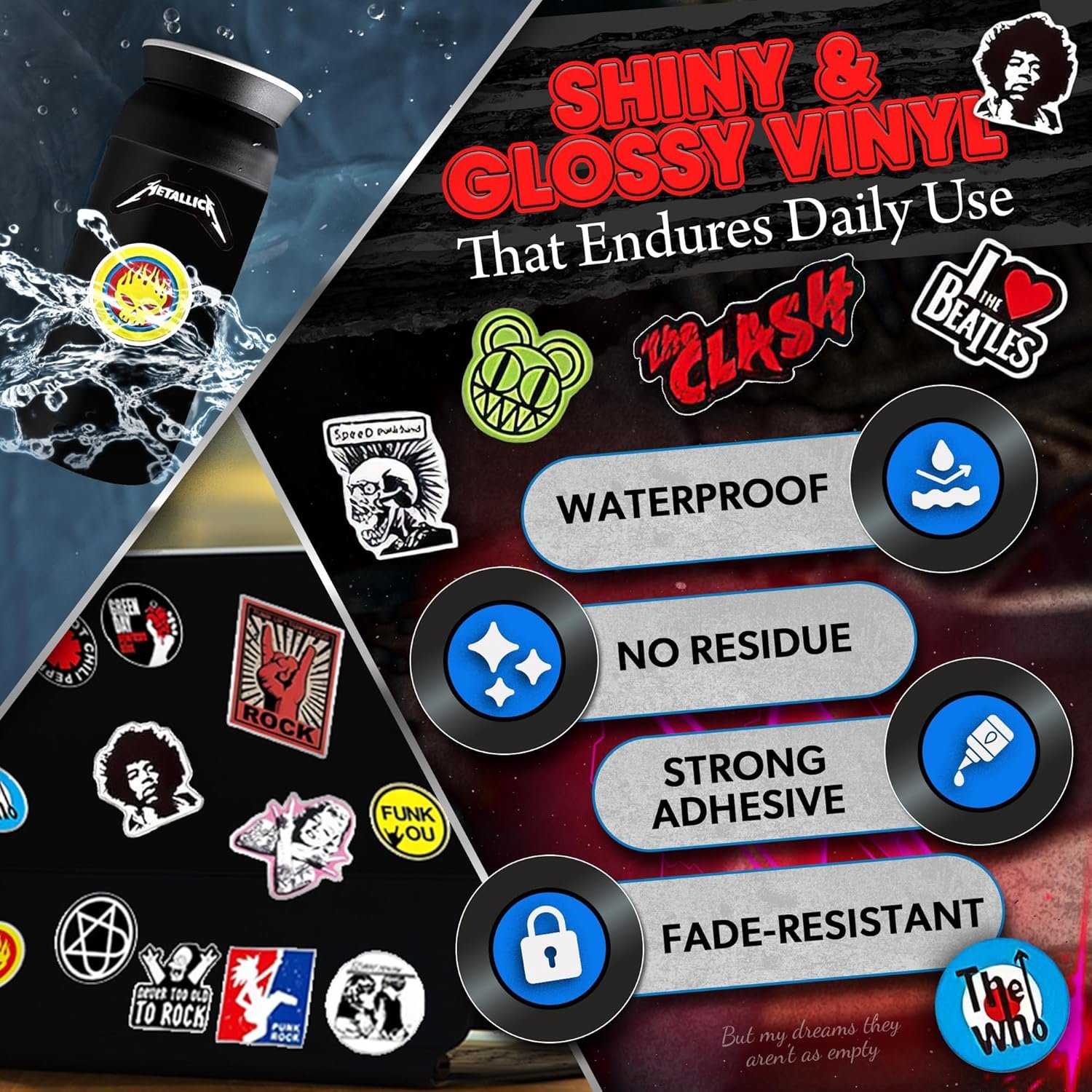
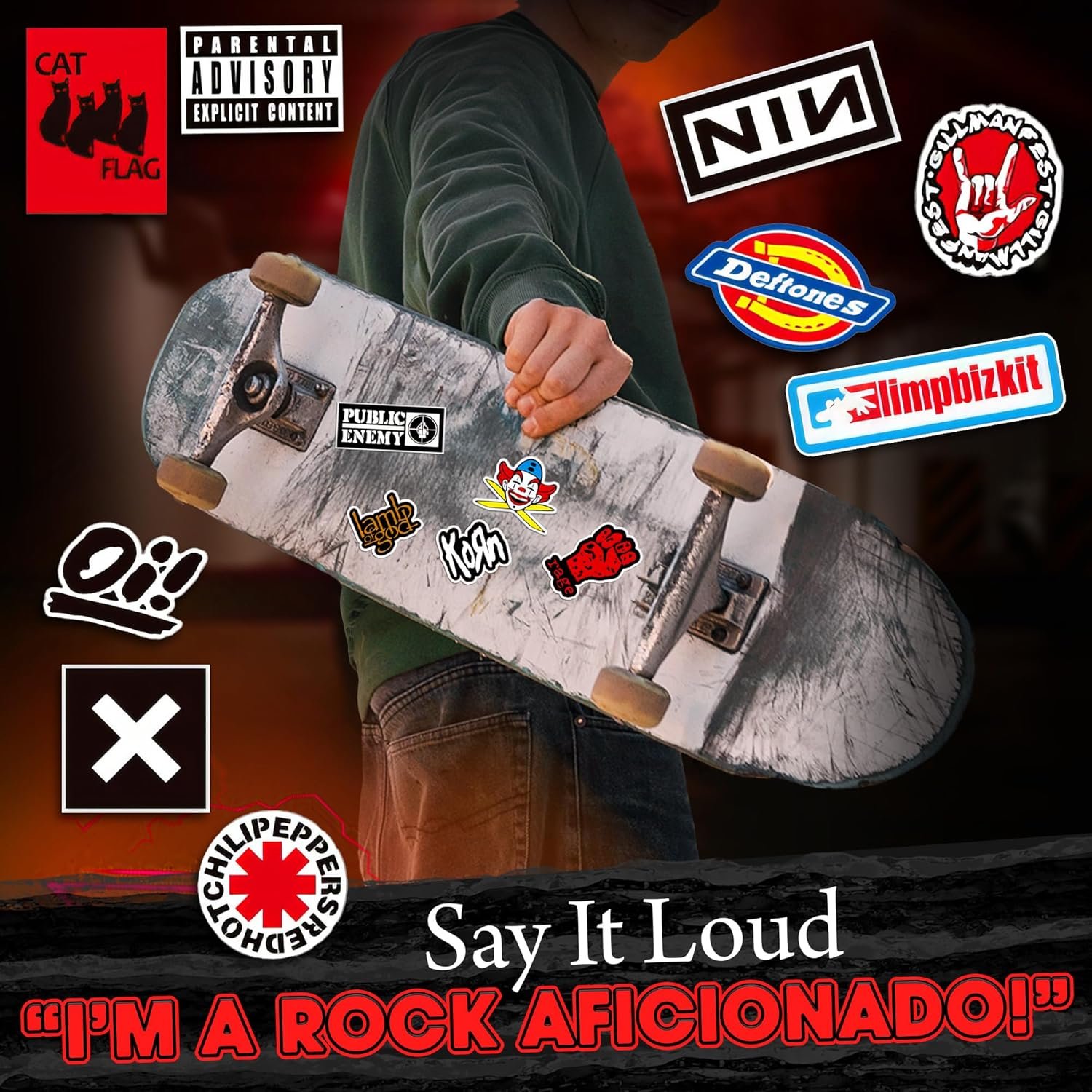
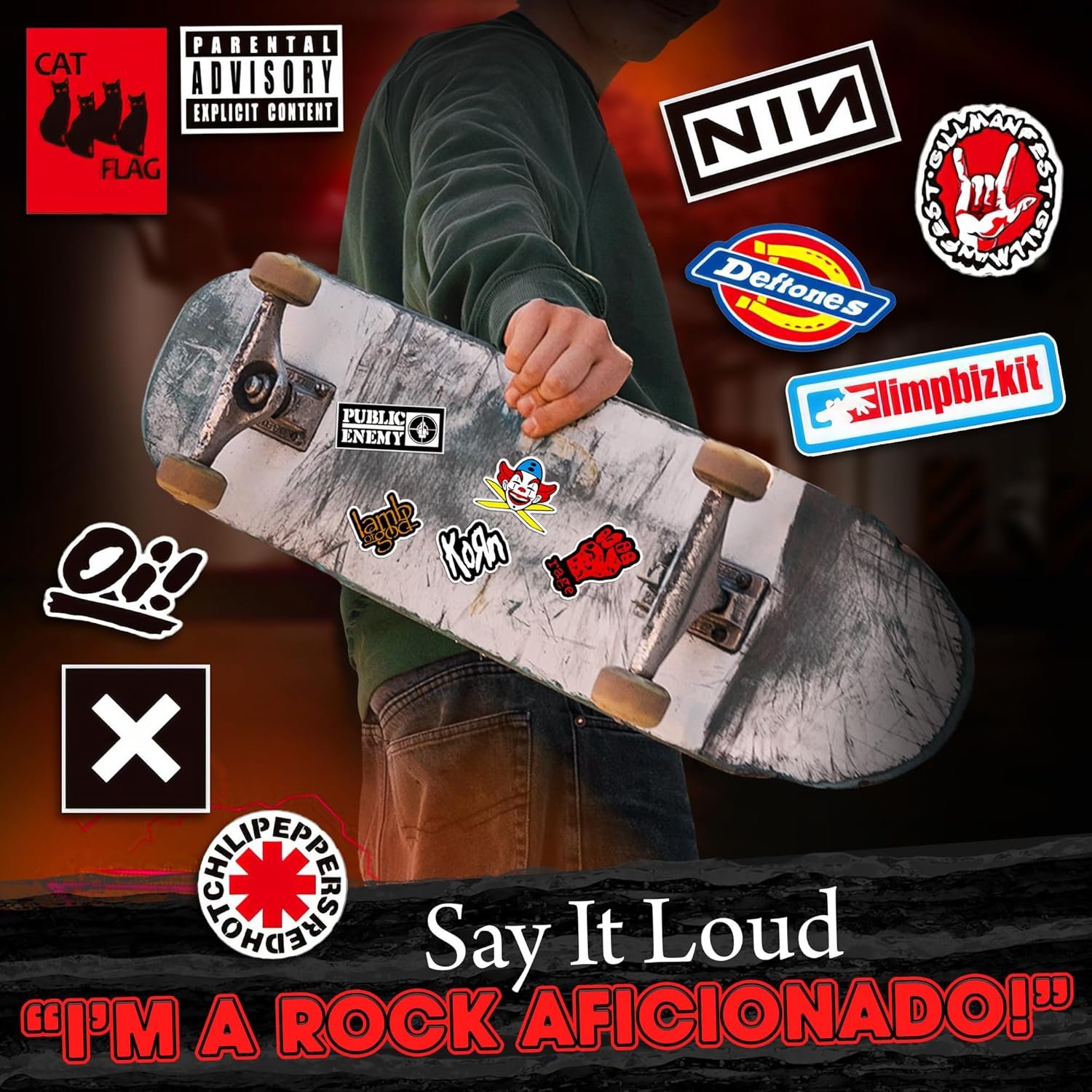
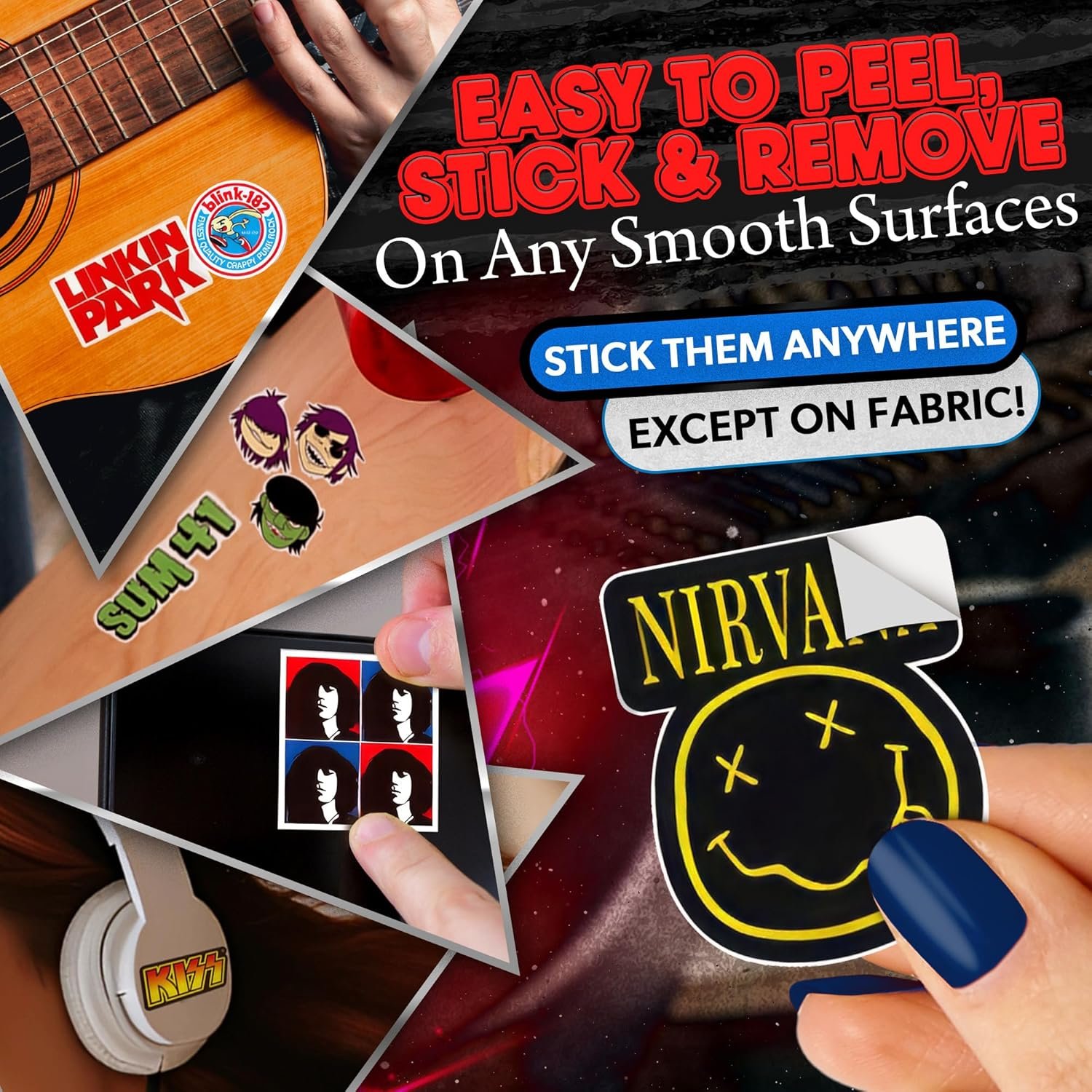
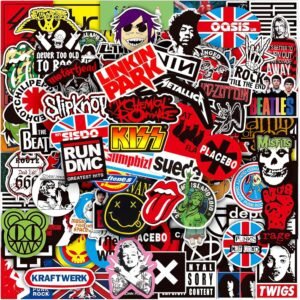
Music stickers have emerged as powerful tools for personal expression and identity formation, particularly among teenagers and young adults. The specific music stickers people choose to display on their belongings communicate their musical tastes, affiliations, and personal values without requiring verbal explanation. A water bottle covered in music stickers becomes a portable soundtrack of the owner’s musical identity, while a laptop decorated with band-specific music stickers serves as a walking advertisement for favorite artists.
The social dynamics of music sticker exchange and recognition create unexpected connections between music fans. Spotting someone with similar music stickers often sparks conversations and friendships based on shared musical appreciation. This social function has expanded into digital spaces, with enthusiasts sharing photos of their music sticker collections on social media platforms and dedicated online communities. The visual nature of music stickers makes them perfect for social media content, allowing users to express their musical identities across both physical and digital environments.
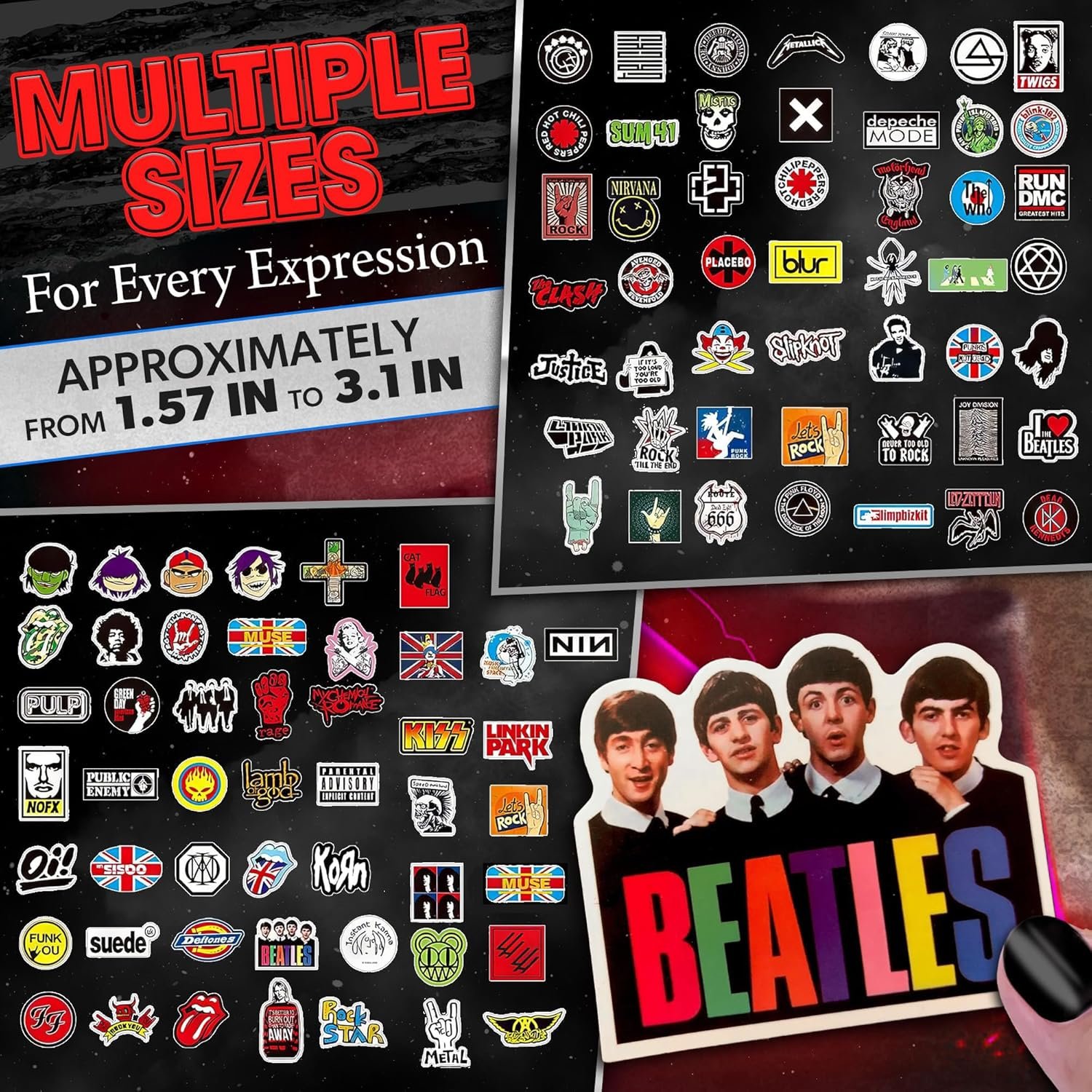
Concert culture and music festivals have embraced music stickers as collectible merchandise and community-building tools. Many artists produce limited edition music stickers for tours and events, creating coveted collectibles that commemorate live music experiences. Fans trade these special music stickers with fellow concertgoers, extending the social experience of events beyond the performance itself. The relatively low cost of music stickers compared to other merchandise makes them accessible to fans across economic backgrounds, strengthening artist-fan relationships through inclusive engagement opportunities.
Creative and Artistic Applications
The creative potential of music stickers extends far beyond simple decoration, offering numerous applications in arts, crafts, and personal projects. Creative professionals use music stickers in graphic design projects, mood boards, and presentation materials where musical themes enhance communication. The consistent quality and detailed artwork of modern music stickers make them perfect for both professional applications and personal crafts, requiring minimal artistic skill to achieve polished results.
Journaling enthusiasts have discovered that music stickers add depth and personality to their recording practices. Bullet journal users incorporate music stickers to track listening habits, commemorate concert experiences, or create musically-themed monthly spreads. The visual elements of music stickers help capture musical memories in ways that words alone cannot, creating richer personal archives of musical discovery and appreciation. Scrapbookers use music stickers to document musical milestones like first concerts, instrument purchases, or special performances, creating visual narratives of their musical journeys.
Home decor and personal space customization represent another significant application for music stickers. Music lovers use themed music stickers to create inspiring practice environments, home recording spaces, or listening areas. The removable nature of quality music stickers makes them ideal for rental properties or frequently updated spaces, allowing for dramatic visual transformations without permanent commitments. Some enthusiasts create elaborate music sticker displays on walls, furniture, and accessories, surrounding themselves with visual representations of the music that inspires them daily.
Therapeutic and Wellness Benefits
Recent years have seen growing recognition of music stickers‘ therapeutic potential in both clinical and self-directed wellness practices. Music therapists incorporate music stickers into sessions with diverse populations, using them as non-threatening tools for communication and emotional expression. The universal appeal of musical imagery helps build rapport with clients who might feel intimidated by traditional therapeutic activities, while the structured nature of sticker projects provides comforting predictability within therapeutic processes.
In mindfulness and mental health practices, music stickers serve as visual anchors for meditation and stress reduction. Many people place inspirational music stickers in their environments as reminders to pause and breathe during stressful moments. The act of carefully selecting and arranging music stickers itself becomes a meditative practice, encouraging focus and present-moment awareness. Some therapists use music sticker selection as projective techniques, gaining insights into clients’ emotional states through their choice of musical imagery and colors.
The development of specialized music stickers for therapeutic applications continues to expand their clinical usefulness. Therapists working with nonverbal populations use music stickers featuring different emotions on instruments or notes to help clients communicate feelings. Rehabilitation programs incorporate music stickers into motivational systems for patients recovering from injuries or managing chronic conditions. These applications demonstrate how simple decorative items can become meaningful components in comprehensive therapeutic approaches.
Commercial and Marketing Applications
The business world has fully recognized the marketing potential of music stickers as brand ambassadors and customer engagement tools. Music stores and instrument manufacturers include music stickers with purchases, creating positive unboxing experiences while increasing brand visibility. The relatively low production cost makes music stickers accessible even to small businesses and independent artists, while their shareability amplifies reach through organic peer-to-peer distribution.
The collectibility of music stickers creates additional marketing opportunities through limited edition releases and series collections. Record labels and artists maintain ongoing engagement with fans by regularly introducing new music sticker designs that encourage repeat interactions. This approach has proven particularly effective at building loyal communities around emerging artists, where affordable music stickers provide accessible entry points into artist merch that can lead to deeper fan relationships over time.
Music festivals and venues use music stickers as practical marketing tools with multiple applications. They serve as admission verification, backstage passes, and promotional giveaways that extend event visibility long after the music ends. The practical necessity of music stickers for event operations combined with their marketing value creates exceptional return on investment for event organizers, particularly when designs become coveted collectibles that drive social media engagement.
Technical Considerations and Material Innovations
Modern manufacturing has dramatically expanded the possibilities for music stickers through material innovations and printing advancements. Today’s consumers can choose from options including holographic finishes, textured surfaces that mimic instrument materials, and even QR code integration that links to audio content. These technological enhancements create more immersive experiences while expanding the functional applications of music stickers in both educational and commercial contexts.
The development of advanced adhesives has simultaneously improved both permanence and removability based on user needs. High-tack music stickers maintain their placement on instruments and equipment through vibration and handling, while repositionable varieties allow for temporary displays and perfect placement adjustments. The availability of music stickers designed specifically for different surfaces – from textured instrument cases to curved water bottles – ensures successful application across diverse contexts.
Environmental considerations have driven the development of eco-friendly music stickers made from recycled materials with biodegradable adhesives. These sustainable options appeal to environmentally conscious musicians and music lovers while maintaining the visual appeal and durability of traditional stickers. The growing demand for such products continues to drive innovation in sustainable materials and production methods within the sticker industry.
Conclusion
Music stickers represent a fascinating convergence of artistic expression, educational utility, and cultural communication within music communities. Their multiple roles – from practical learning tools to personal expression and commercial applications – explain their enduring popularity across diverse demographics. The accessibility and affordability of music stickers maintain music’s democratic spirit while allowing for unlimited creative possibilities in how people engage with and express their musical identities.
As music consumption continues to evolve in digital environments, music stickers provide tangible connections to musical experiences that might otherwise feel ephemeral. They document personal musical journeys while connecting individual enthusiasts to broader communities and traditions. Whether serving as educational aids, therapeutic tools, marketing materials, or simple decorations, music stickers demonstrate how visual elements can enhance and complement our auditory experiences. Their continued relevance seems assured as new generations discover the multiple satisfactions of visually representing the music that moves them.
Reviews
There are no reviews yet.