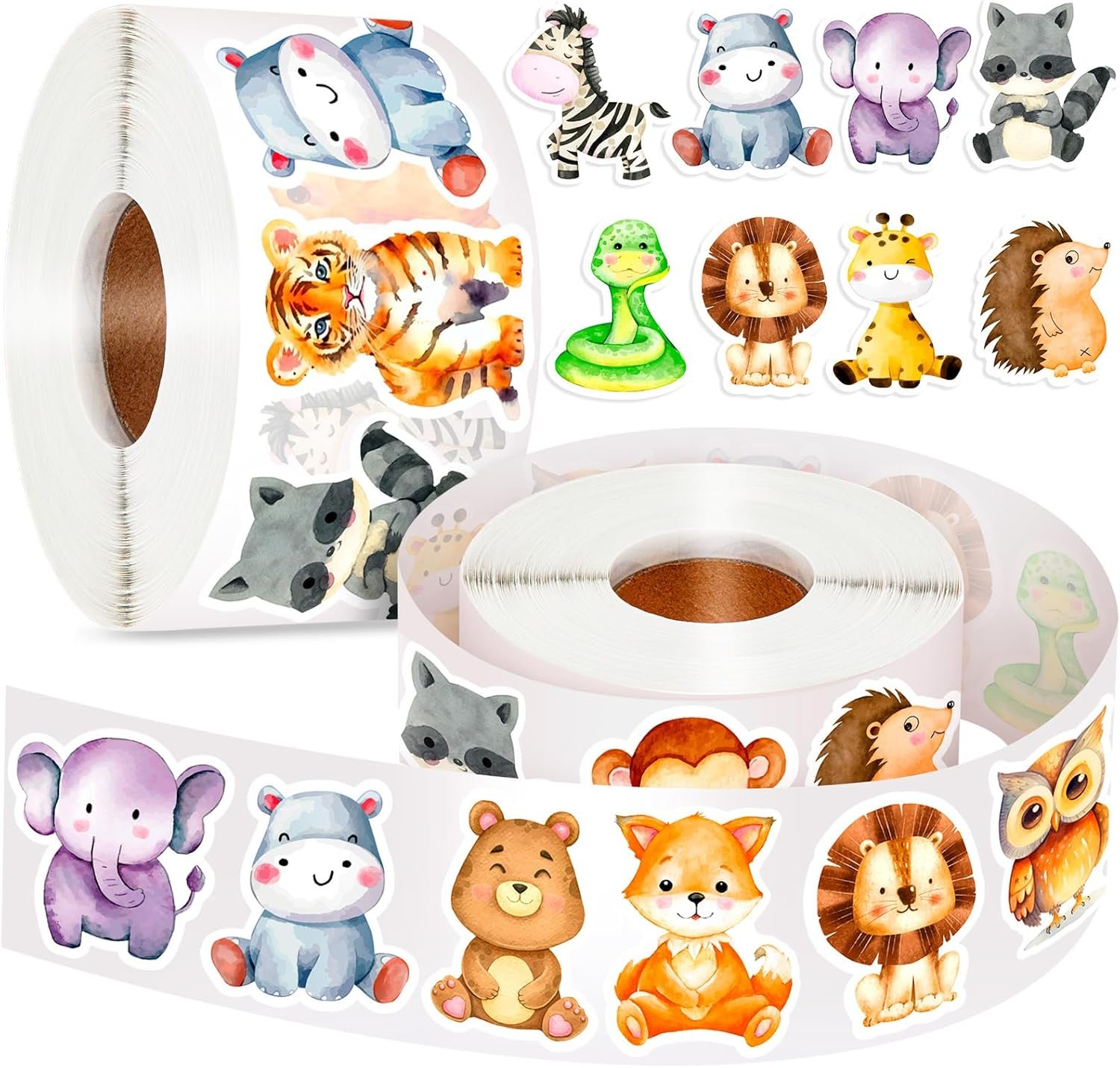
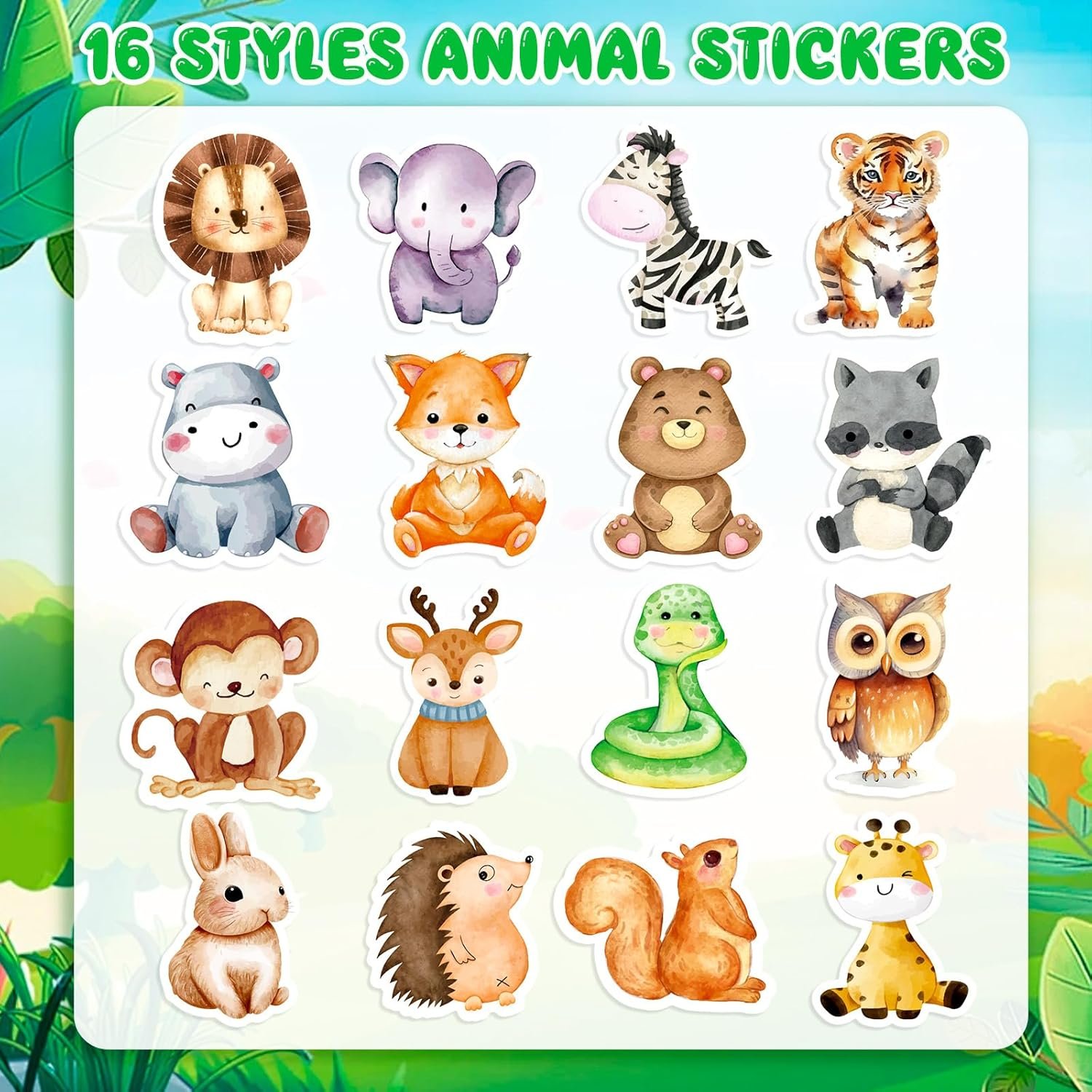
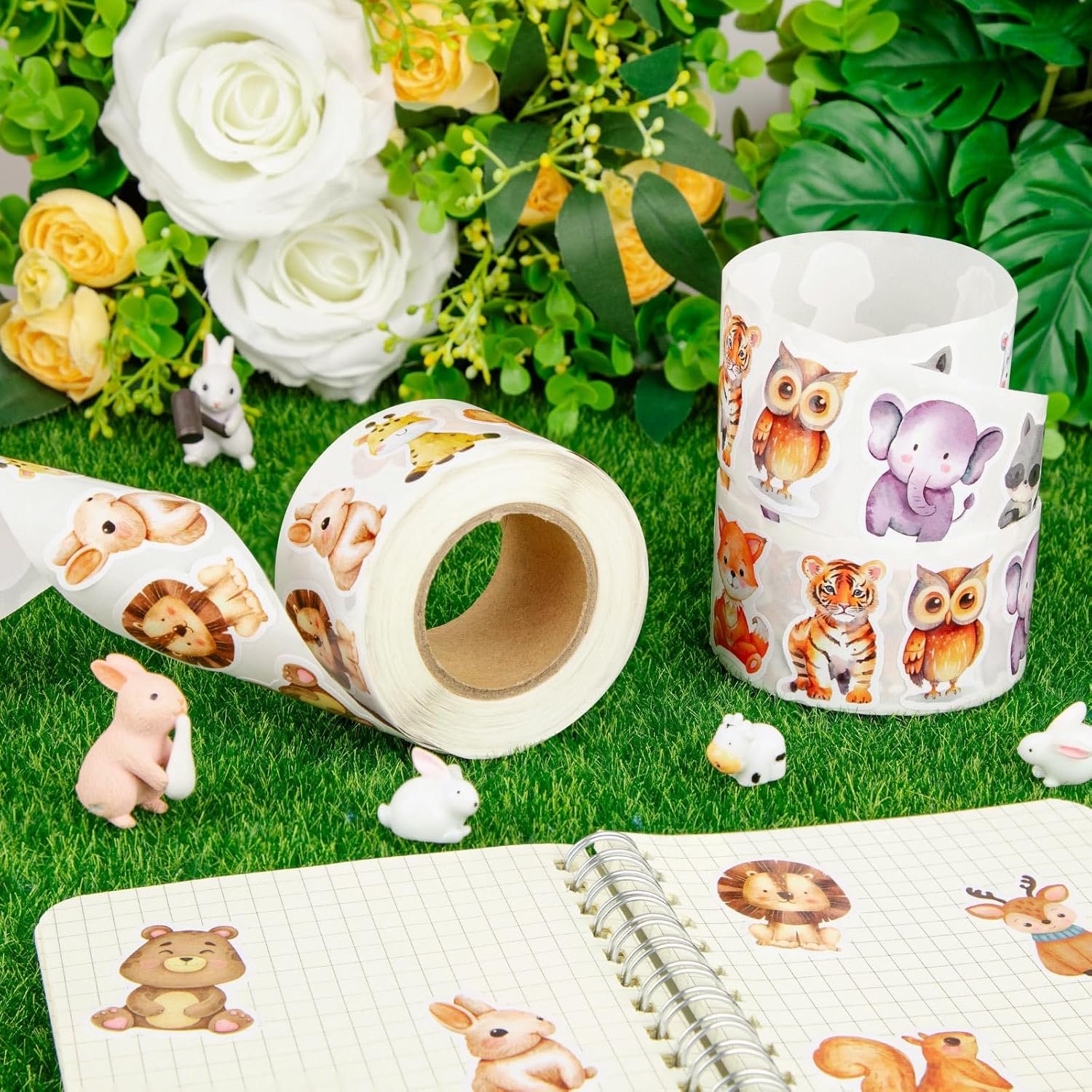
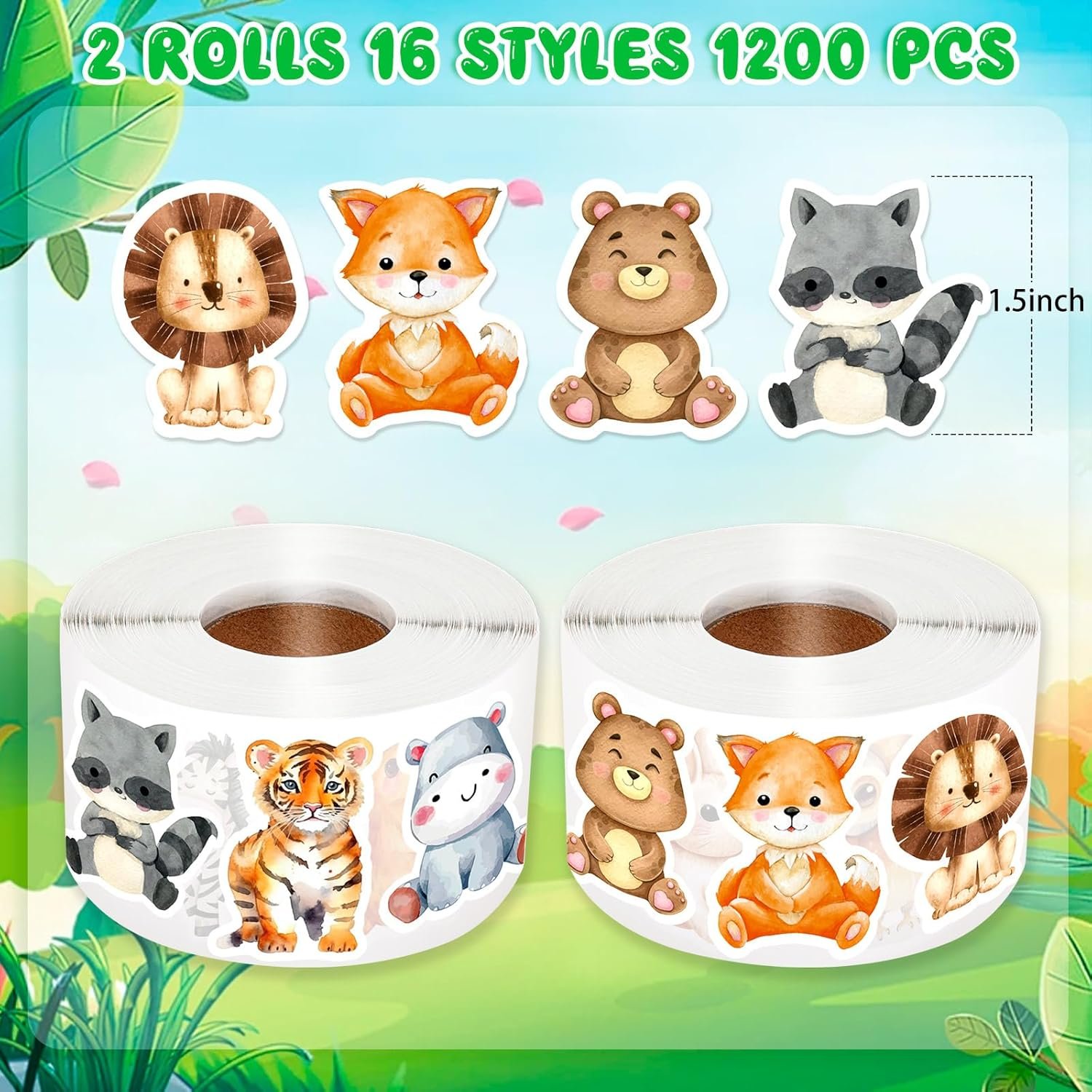
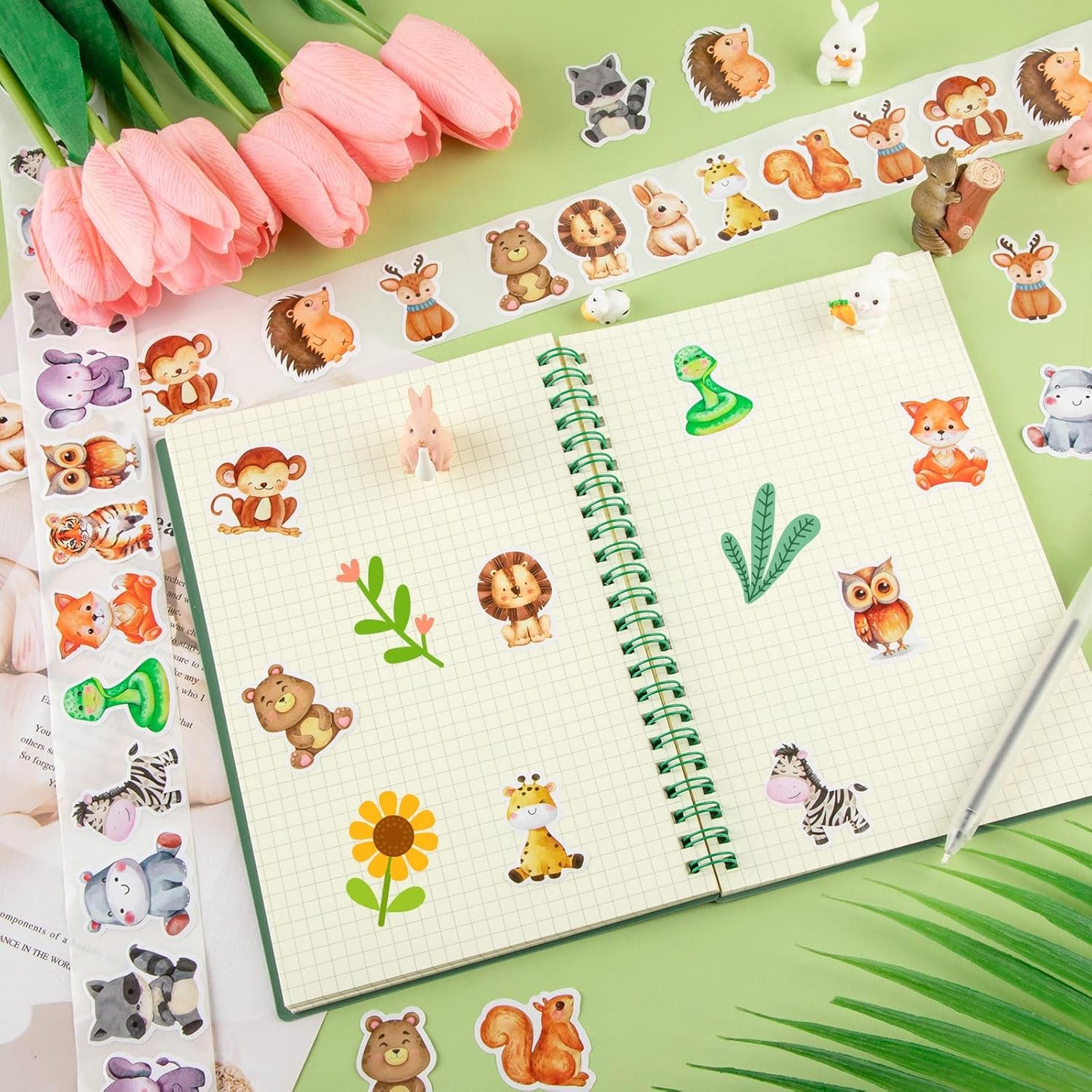
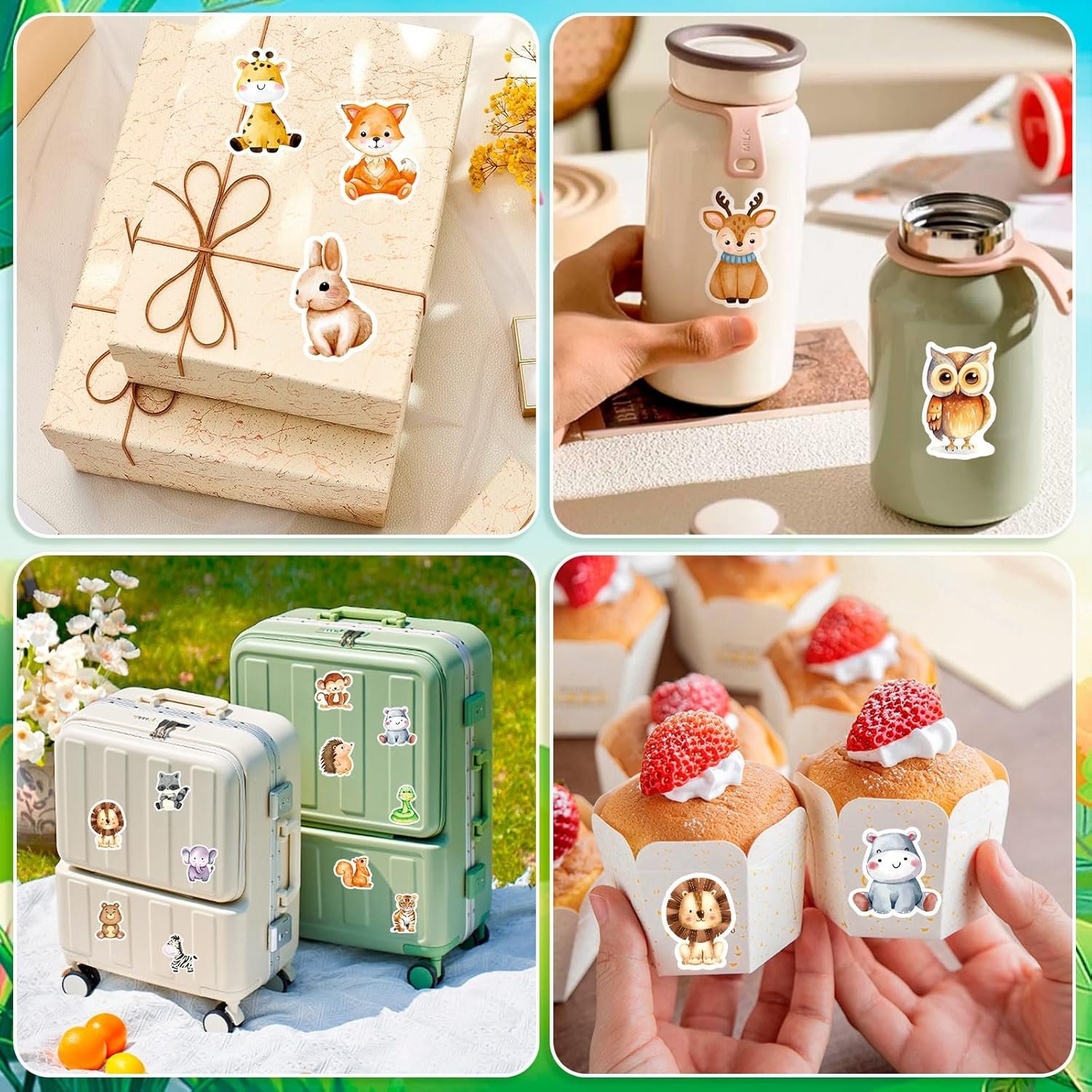
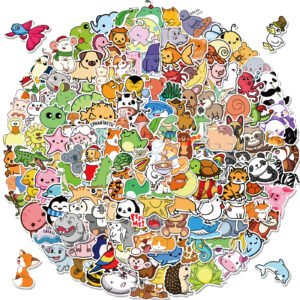
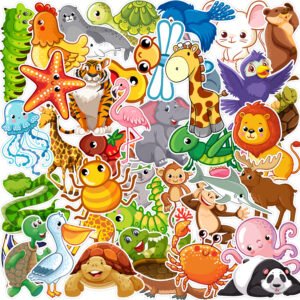
Animal stickers for kids have established themselves as essential tools in child development, offering unique opportunities for learning, creative expression, and skill building. These colorful adhesives featuring creatures from every habitat provide engaging, hands-on experiences that support cognitive, motor, and social-emotional growth. The universal appeal of animals makes animal stickers for kids particularly effective for capturing children’s attention and maintaining their engagement across various activities and learning environments.
Early Childhood Development Foundations
The developmental benefits of animal stickers for kids begin in the earliest years, supporting crucial foundation skills for future learning. For toddlers and preschoolers, the simple act of peeling animal stickers for kids from their backing and applying them to surfaces represents a significant fine motor challenge that strengthens the pincer grasp essential for later writing skills. The concentration required to successfully manipulate animal stickers for kids also builds attention span and task persistence in young children, qualities that support success in formal education settings.
Language development receives substantial support through activities with animal stickers for kids. As children work with these materials, parents and educators naturally introduce new vocabulary including animal names, habitat terminology, action words, and descriptive language. The visual support provided by animal stickers for kids helps cement this vocabulary in children’s minds, creating strong associations between words and images. Question-and-answer activities using animal stickers for kids further develop comprehension and verbal expression skills in natural, play-based contexts.
Cognitive development flourishes through structured activities with animal stickers for kids. Basic math concepts emerge naturally when children count animals, sort them by size, or create patterns with different species. Early science understanding develops as children learn about animal characteristics, life cycles, and ecosystems through hands-on manipulation of animal stickers for kids. These concrete experiences with biological concepts provide foundations for more abstract scientific learning in later school years.
Educational Applications in Formal and Informal Learning
Animal stickers for kids serve as versatile teaching tools in classroom settings, supporting curriculum objectives across multiple subject areas. Science education particularly benefits from well-designed animal stickers for kids activities that help children understand classification systems, food chains, and adaptation concepts. Teachers create interactive worksheets, learning centers, and group projects using animal stickers for kids that transform abstract biological concepts into tangible learning experiences.
Literacy instruction incorporates animal stickers for kids in numerous engaging ways. Beginning readers use animal stickers for kids to create picture dictionaries, with children writing animal names beneath corresponding stickers. Story sequencing activities using animal stickers for kids help children understand narrative structure, while creative writing prompts featuring animal characters inspire young authors. The motivational aspect of animal stickers for kids cannot be overstated—children who might resist traditional writing assignments often enthusiastically engage when animal stickers for kids are incorporated into the activity.
Social studies curriculum comes alive when animal stickers for kids are used to explore world cultures, geography, and environmental relationships. Children can place animal stickers for kids on maps to show native habitats, create dioramas representing different ecosystems, or research cultural significance of various animals across human societies. These multidisciplinary projects demonstrate the interconnected nature of knowledge while allowing children to approach learning through their personal animal interests.
Therapeutic Value and Specialized Applications
The therapeutic applications of animal stickers for kids extend across various clinical and support settings. Child life specialists in healthcare environments use animal stickers for kids as distraction tools during procedures, as rewards for cooperation with treatment, and as communication aids for children struggling to express medical fears or concerns. The comforting, familiar nature of animal imagery provides emotional support during stressful healthcare experiences.
Mental health professionals find animal stickers for kids valuable in counseling and therapy contexts. The metaphorical potential of different animals allows children to project feelings and experiences onto sticker characters, creating psychological distance that facilitates discussion of difficult topics. A child might select a “brave lion” animal sticker to represent facing fears or a “turtle” animal sticker to describe feeling slow to make friends. This symbolic communication provides therapists with windows into children’s inner experiences while respecting their emotional boundaries.
Children with special needs often respond particularly well to interventions incorporating animal stickers for kids. The structured yet creative nature of sticker activities provides ideal balance for children who feel overwhelmed by completely open-ended art projects yet frustrated by overly rigid tasks. Occupational therapists use animal stickers for kids to develop fine motor precision, visual tracking skills, and bilateral coordination. Speech therapists incorporate them into articulation practice and language development activities that capture children’s interest through appealing animal themes.
Creative Expression and Imagination Development
The creative potential of animal stickers for kids extends across various artistic and imaginative domains. Unlike coloring books that prescribe specific images, animal stickers for kids serve as open-ended materials that children can arrange in infinite configurations to express their unique ideas and stories. A single set of animal stickers for kids might inspire jungle adventures, farm scenes, underwater explorations, or completely imaginary habitats limited only by a child’s creativity.
The accessibility of animal stickers for kids deserves particular emphasis in creative contexts. Children who feel intimidated by blank paper and drawing tools because they worry about “not drawing well” can create complex, satisfying scenes using animal stickers for kids regardless of their freehand artistic abilities. This accessibility builds artistic confidence and allows children to experience themselves as capable creators, potentially encouraging broader artistic experimentation with other media.
The storytelling potential of animal stickers for kids supports crucial narrative thinking skills. As children arrange and rearrange animal stickers for kids to create scenes, they naturally develop characters, conflicts, and resolutions—the essential elements of narrative structure. Parents and educators can extend this learning by transcribing children’s sticker stories, asking open-ended questions about the scenes, or introducing vocabulary that enriches the narratives children create with their animal stickers for kids.
Social Development and Cooperative Play
The social benefits of animal stickers for kids emerge particularly during shared sticker activities. Collaborative projects using animal stickers for kids require children to practice negotiation, compromise, and shared decision-making as they determine together how to create group artworks or dramatic play scenarios. These social-creative experiences build emotional intelligence and communication skills while reducing the social anxiety that sometimes accompanies purely verbal interactions among young children.
The portable nature of animal stickers for kids makes them ideal social bridges in various settings. On playgrounds, in waiting rooms, or during playdates, shared sticker activities can ease social interactions among unfamiliar children. The structured yet creative nature of working with animal stickers for kids provides natural social scripts that help children initiate and maintain interactions, building social confidence through successful peer engagements.
Educators have discovered that animal stickers for kids can support classroom community building and social-emotional learning curriculum. Activities might include creating cooperative murals with animal stickers for kids, using animal characters to role-play social scenarios, or selecting “animal friends” that represent different emotions or personality traits. These applications help children develop empathy, perspective-taking, and conflict resolution skills within the engaging context of animal characters and stories.
Quality Considerations and Selection Criteria
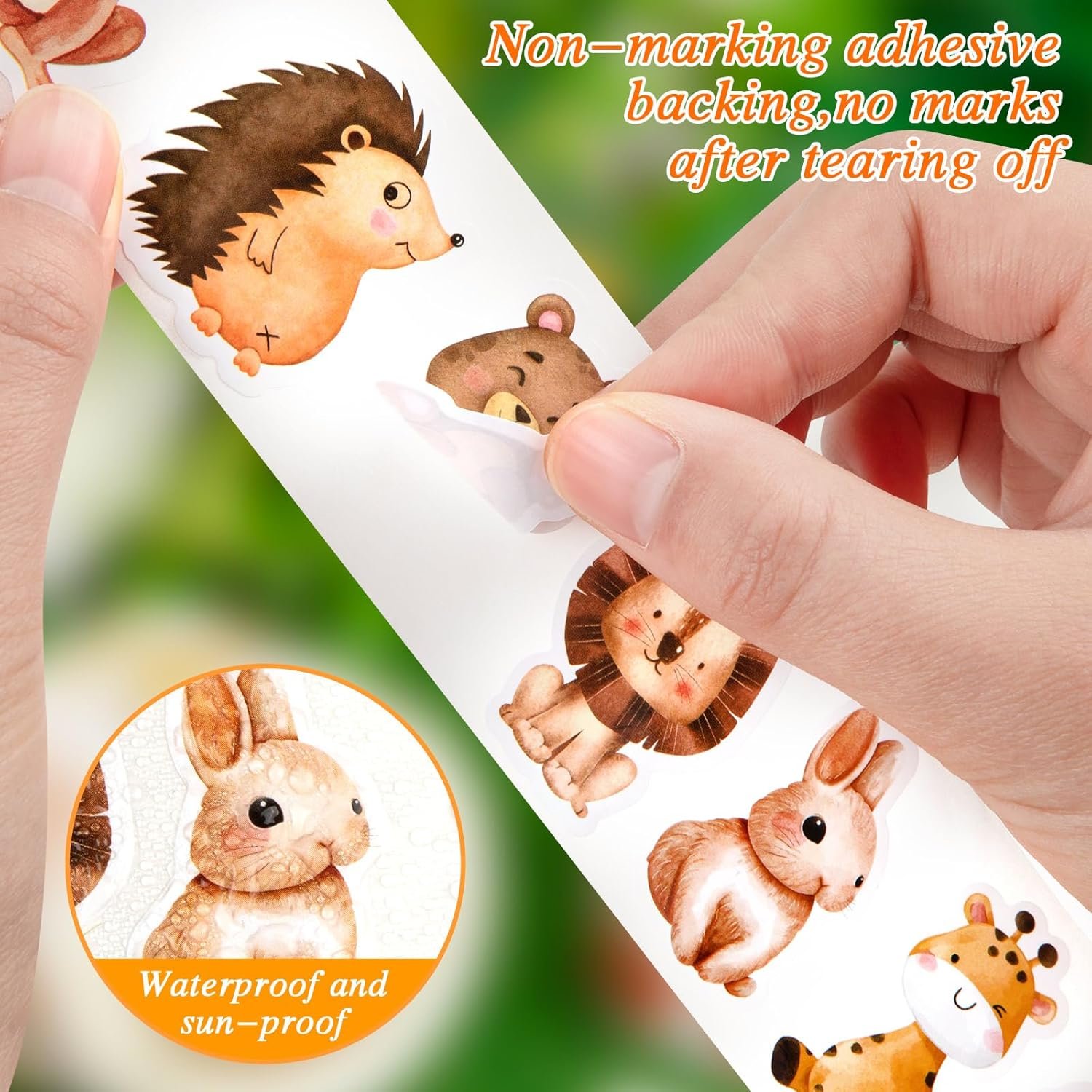
When choosing animal stickers for kids, several quality factors significantly impact the user experience and developmental benefits. Safety should remain the primary consideration, with preference given to animal stickers for kids made from non-toxic materials with child-safe adhesives. Reputable manufacturers provide safety certifications and age recommendations that help parents and educators select appropriate products for different developmental stages.
The adhesive quality of animal stickers for kids deserves careful consideration. Ideal animal stickers for kids feature adhesives strong enough to maintain placement but gentle enough to allow for repositioning as children develop their spatial planning skills. This repositionability supports the trial-and-error learning process that builds problem-solving abilities and resilience when initial creative visions require adjustment.
Educational value varies significantly across different sets of animal stickers for kids. Products featuring realistic animal representations support accurate biological learning, while thematically organized sets (such as rainforest animals, ocean creatures, or desert dwellers) facilitate focused ecosystem education. Some manufacturers enhance the educational value of animal stickers for kids by including informational booklets, habitat backgrounds, or activity suggestions that extend learning opportunities.
Integration with Modern Learning Approaches
Contemporary educational approaches have found innovative ways to incorporate animal stickers for kids into evolving pedagogical methods. STEM and STEAM education utilize animal stickers for kids in engineering design challenges (creating animal habitats), technology projects (digital storytelling with sticker characters), and math activities (graphing animal attributes). These applications demonstrate how traditional materials like animal stickers for kids can support cutting-edge educational approaches.
Environmental education has embraced animal stickers for kids as tools for teaching conservation concepts. Children can use animal stickers for kids to create displays about endangered species, habitat preservation, or wildlife corridors. These projects make abstract environmental concerns tangible for young learners while fostering early conservation ethics through emotionally engaging animal characters.
Multicultural education benefits from globally inclusive animal stickers for kids sets that feature animals significant across different world cultures. Such materials provide natural entry points for discussions about how various societies relate to animals differently, supporting cultural awareness and global perspective development from early childhood.
Conclusion
Animal stickers for kids represent deceptively simple learning tools with profound and multifaceted benefits for childhood development. Their unique position at the intersection of education, creativity, and social-emotional learning explains their enduring value across generations of children. The accessibility and affordability of animal stickers for kids ensure that these developmental benefits remain available to children across socioeconomic backgrounds, supporting equitable access to quality learning materials.
The versatility of animal stickers for kids allows them to adapt to evolving educational philosophies and technological advancements while maintaining their core benefits. As childhood development research continues highlighting the importance of hands-on, play-based learning, the value of open-ended materials like animal stickers for kids becomes increasingly clear. Their ability to support learning across multiple domains while maintaining high levels of child engagement makes them exceptional resources for parents and educators committed to holistic child development.
Looking forward, animal stickers for kids will likely continue evolving in their applications and manufacturing while maintaining their essential appeal. The fundamental human connection to animals ensures that animal stickers for kids will remain relevant even as educational trends change, while their demonstrated benefits across developmental domains secure their place as valuable tools in childhood education, therapy, and creative expression.
Reviews
There are no reviews yet.