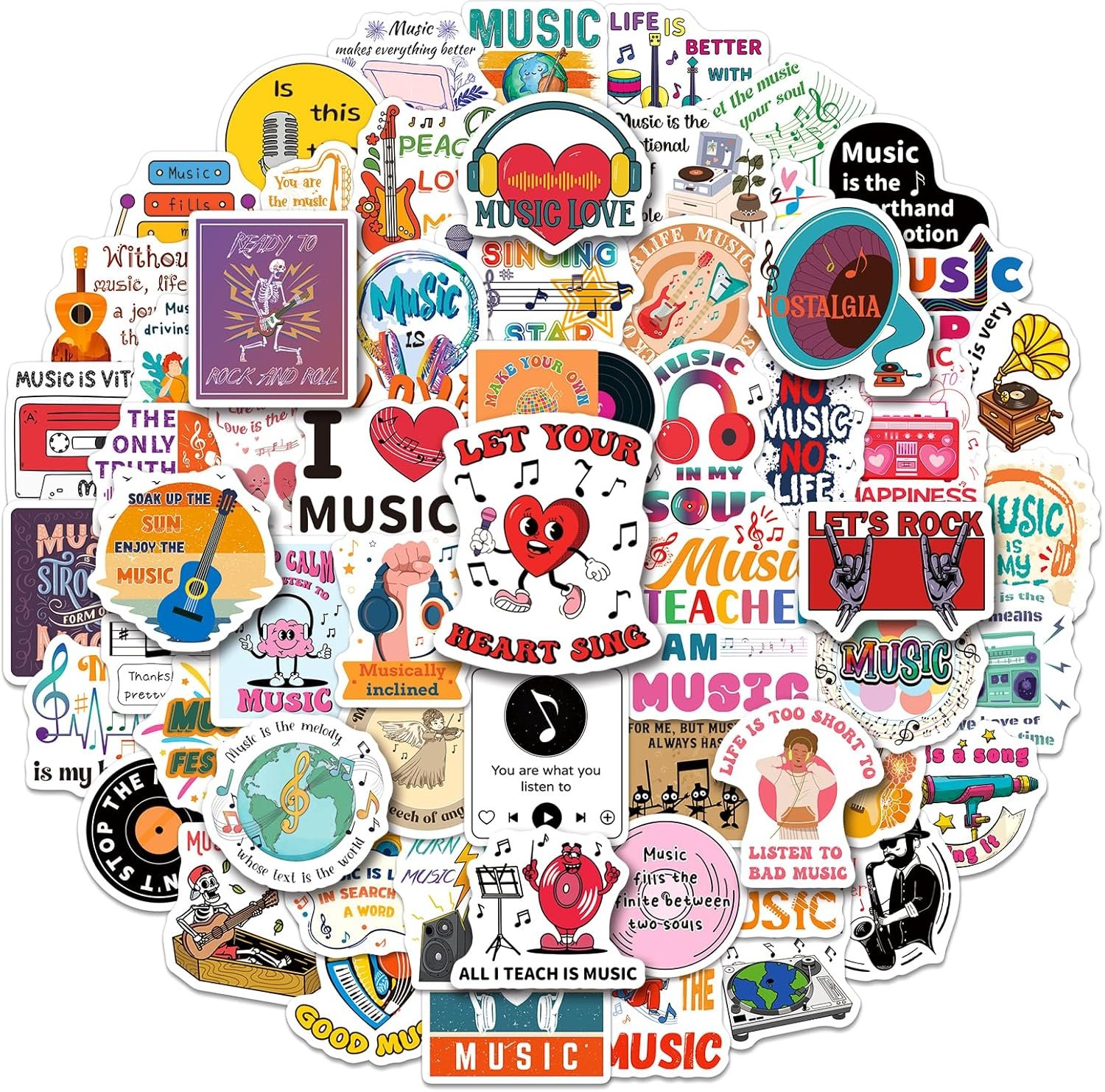
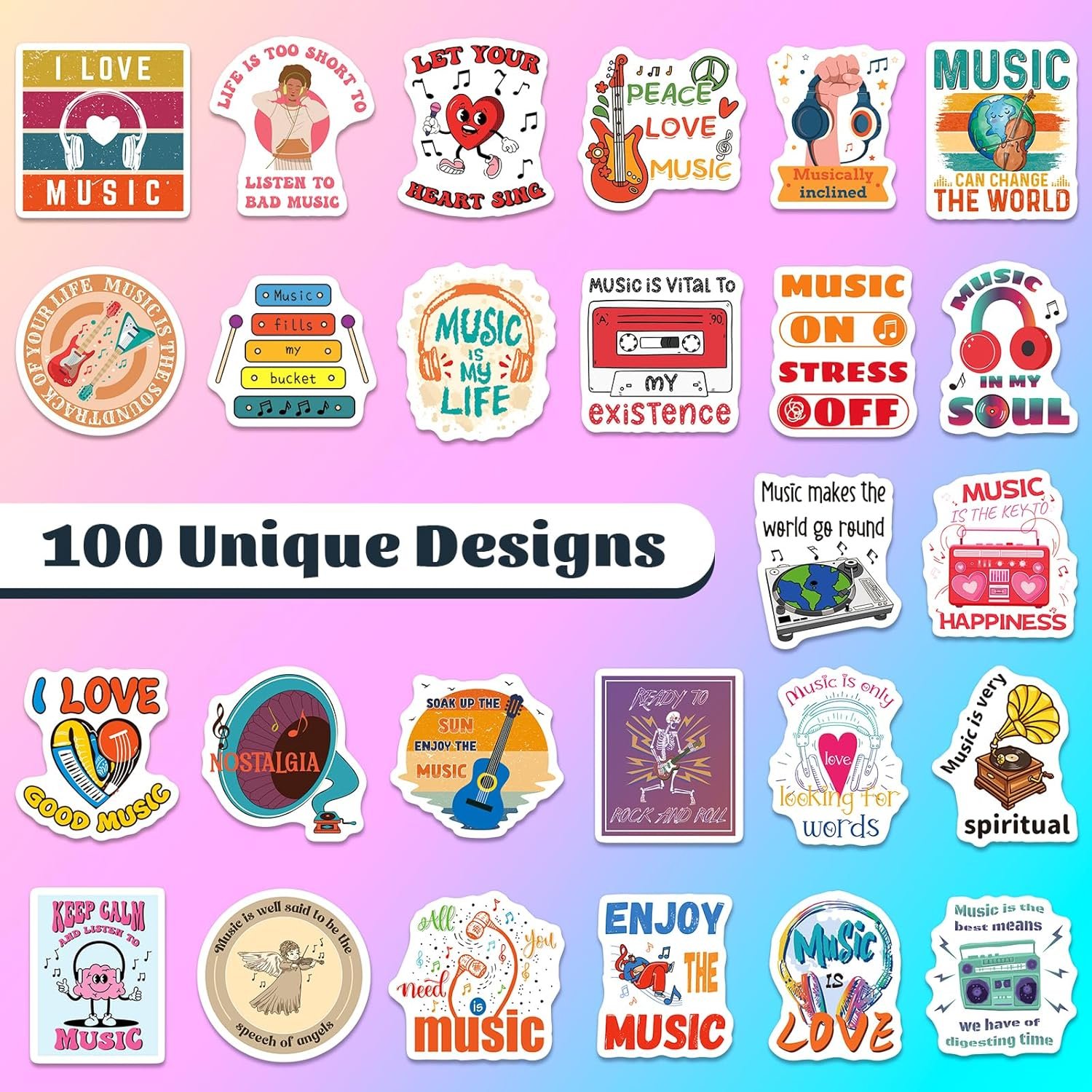

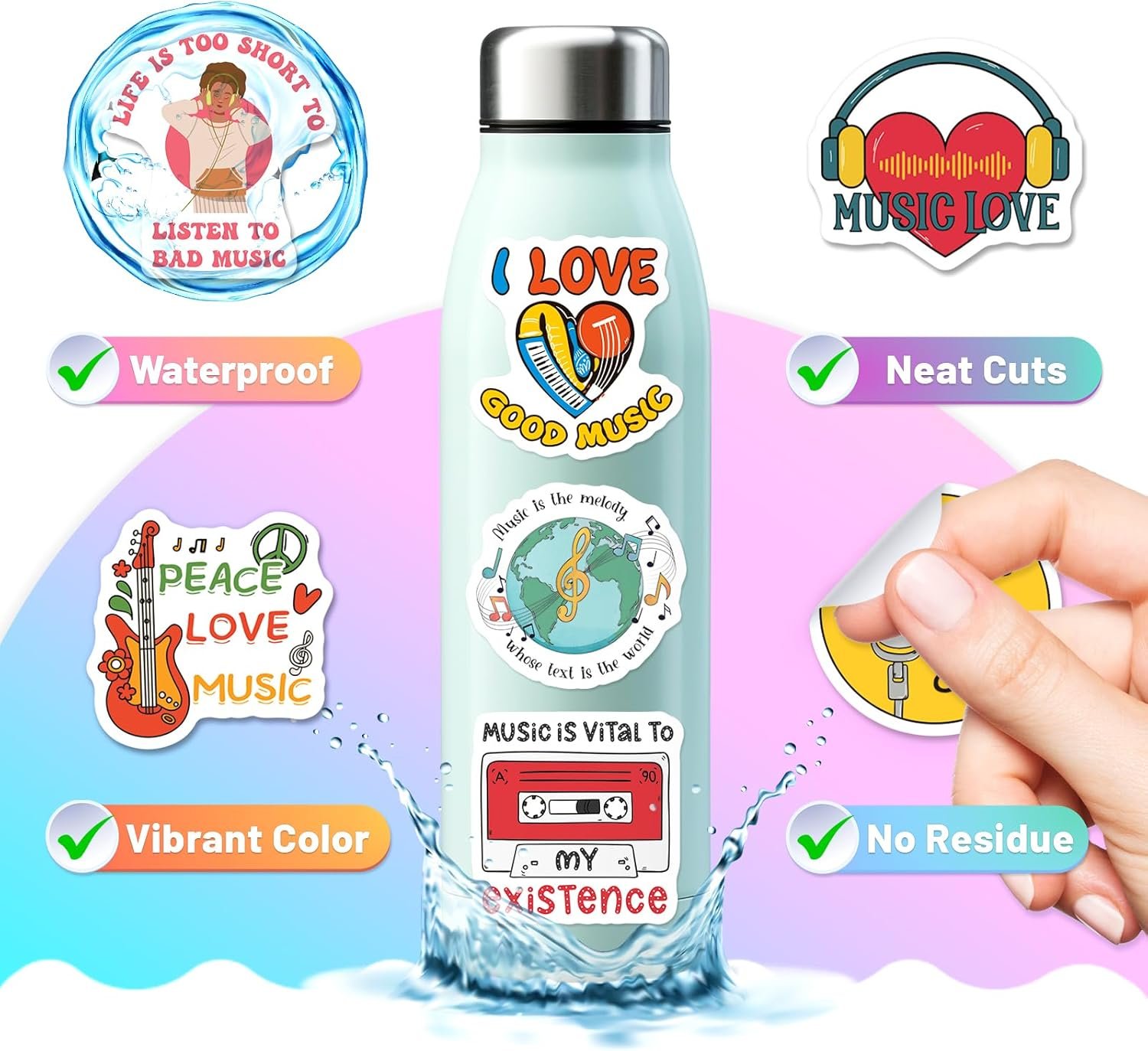
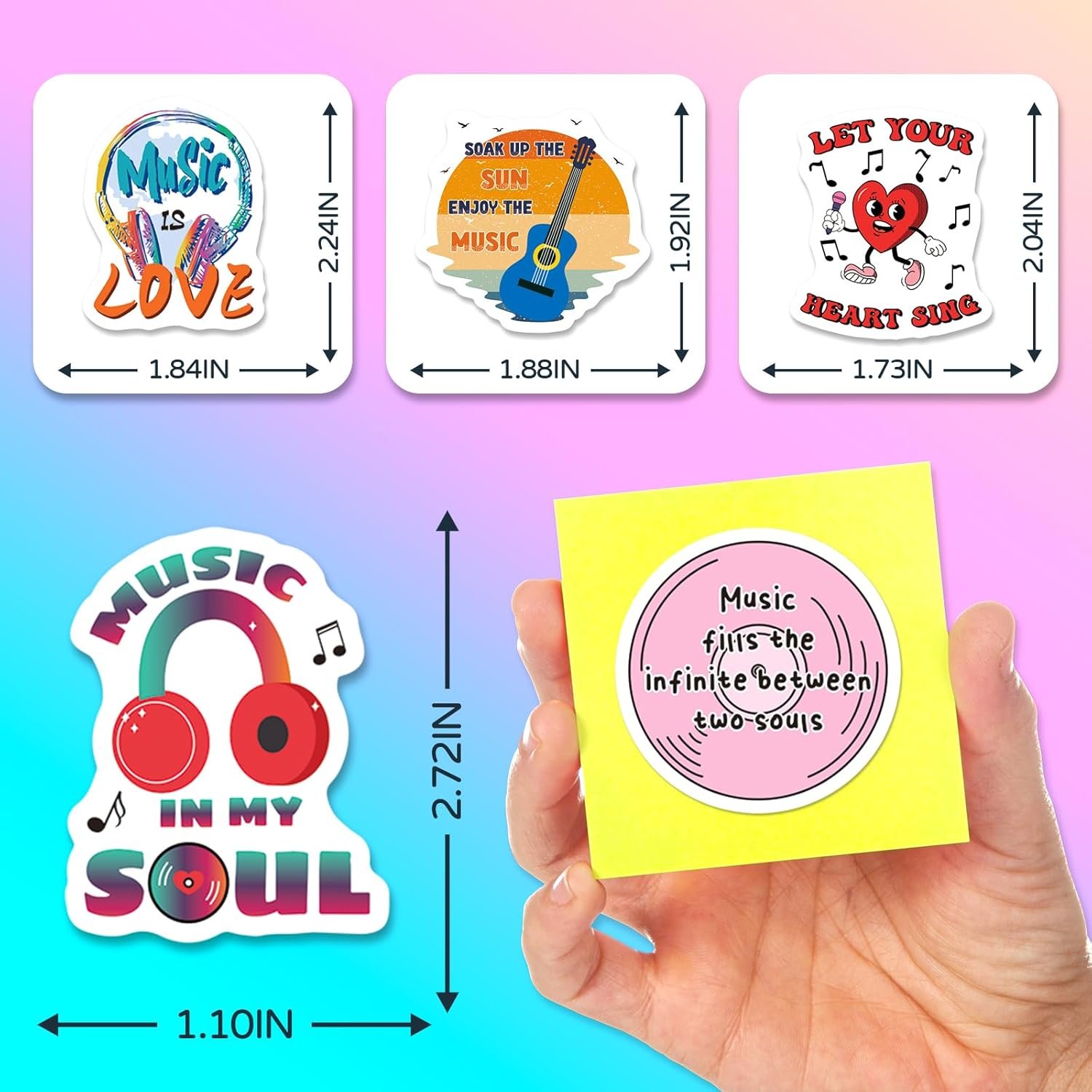
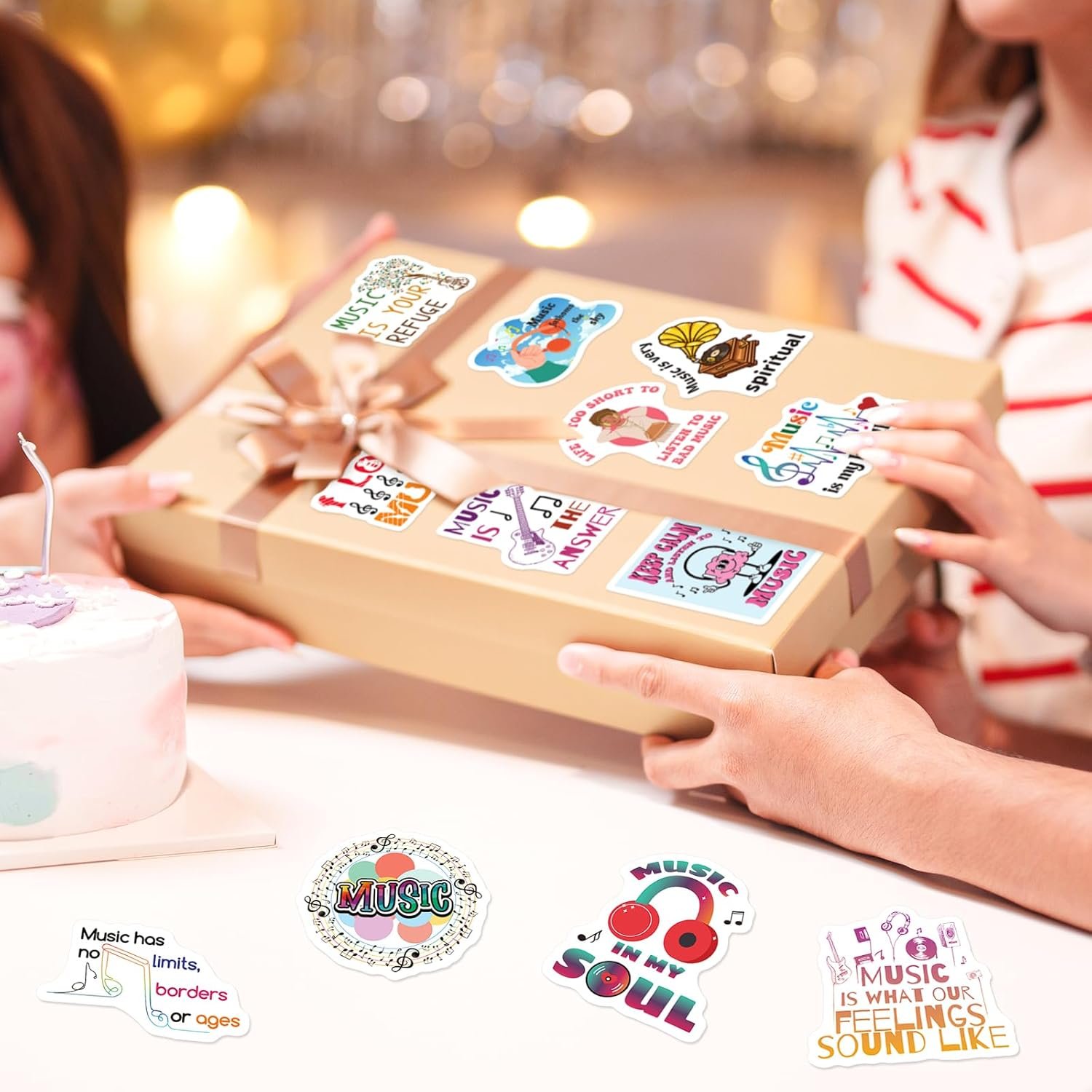
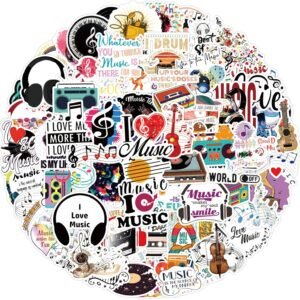
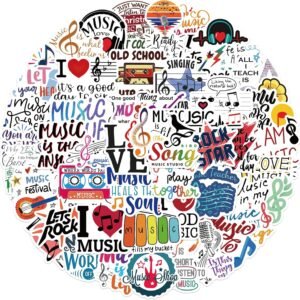
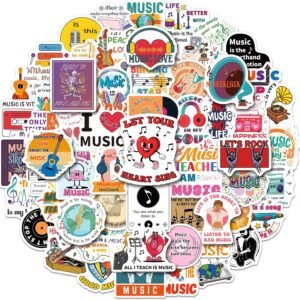
Music stickers have transformed from simple decorative items into powerful tools that bridge auditory experiences with visual expression. These vibrant adhesives featuring instruments, musical notation, artists, and cultural icons serve multiple purposes across educational, therapeutic, and personal contexts. The growing popularity of music stickers reflects their unique ability to make musical engagement visible and tangible, creating new pathways for learning, communication, and creative expression in our increasingly visual world.
Educational Applications in Music Learning
The educational potential of music stickers represents one of their most valuable applications, particularly in music pedagogy and classroom settings. Teachers and music educators have developed innovative ways to incorporate music stickers into their instructional methods, making abstract musical concepts more accessible and engaging for students of all ages. For beginning musicians, music stickers applied to instruments provide crucial visual guidance – piano keys marked with colorful music stickers help young students navigate the keyboard, while fingerboard music stickers on string instruments ensure proper finger placement and intonation development.
Music theory instruction benefits significantly from well-designed music sticker activities. Educators create interactive worksheets using music stickers for note identification, rhythm exercises, and scale construction. The tactile experience of manipulating music stickers helps students internalize theoretical concepts through multiple senses, making complex relationships more concrete and memorable. Special needs music programs have developed particularly effective applications, using customized music stickers as adaptive tools that make musical concepts accessible to diverse learners, including those with visual, cognitive, or physical challenges.
Beyond instrumental instruction, music stickers serve important functions in general music education. Classroom teachers use music stickers to create comprehensive listening maps, where students place stickers to represent musical elements they identify in recordings. These visual representations help children understand complex concepts like musical form, instrumentation, and dynamic variation. Interdisciplinary units connect music with other subjects using music stickers – historical periods come alive through period-appropriate musical imagery, mathematical patterns emerge through rhythmic music sticker arrangements, and cultural studies gain depth through world music music sticker collections.
Therapeutic Benefits and Emotional Expression
The therapeutic applications of music stickers have gained recognition among mental health professionals, music therapists, and wellness practitioners. Music stickers serve as non-threatening tools for emotional expression and communication, particularly valuable when working with clients who struggle to verbalize their feelings. The universal appeal of musical imagery helps build therapeutic rapport, while the structured nature of sticker projects provides comforting predictability within therapeutic processes. This combination makes music stickers particularly effective in clinical settings with children, trauma survivors, and individuals with communication challenges.
In music therapy sessions, music stickers facilitate emotional regulation and self-expression through symbolic representation. Clients might select music stickers that represent different emotional states, using musical imagery to express feelings that feel too vulnerable to address directly. A client might choose a loud, dramatic music sticker to represent anger or a gentle, flowing music sticker to symbolize peace. This metaphorical distance allows for safer exploration of difficult emotions, while the creative process of arranging music stickers provides calming, rhythmic activity that can reduce anxiety and promote emotional stability.
Rehabilitation and wellness programs incorporate music stickers as motivational tools and progress markers. The achievement of earning music stickers provides tangible recognition of effort and improvement, reinforcing persistence through challenging therapeutic processes. The visual progress tracking enabled by music stickers collections helps clients maintain perspective on their recovery journey, celebrating small victories while working toward larger goals. This motivational function proves particularly valuable in long-term rehabilitation where progress may occur gradually over extended periods.
Personal Expression and Identity Formation
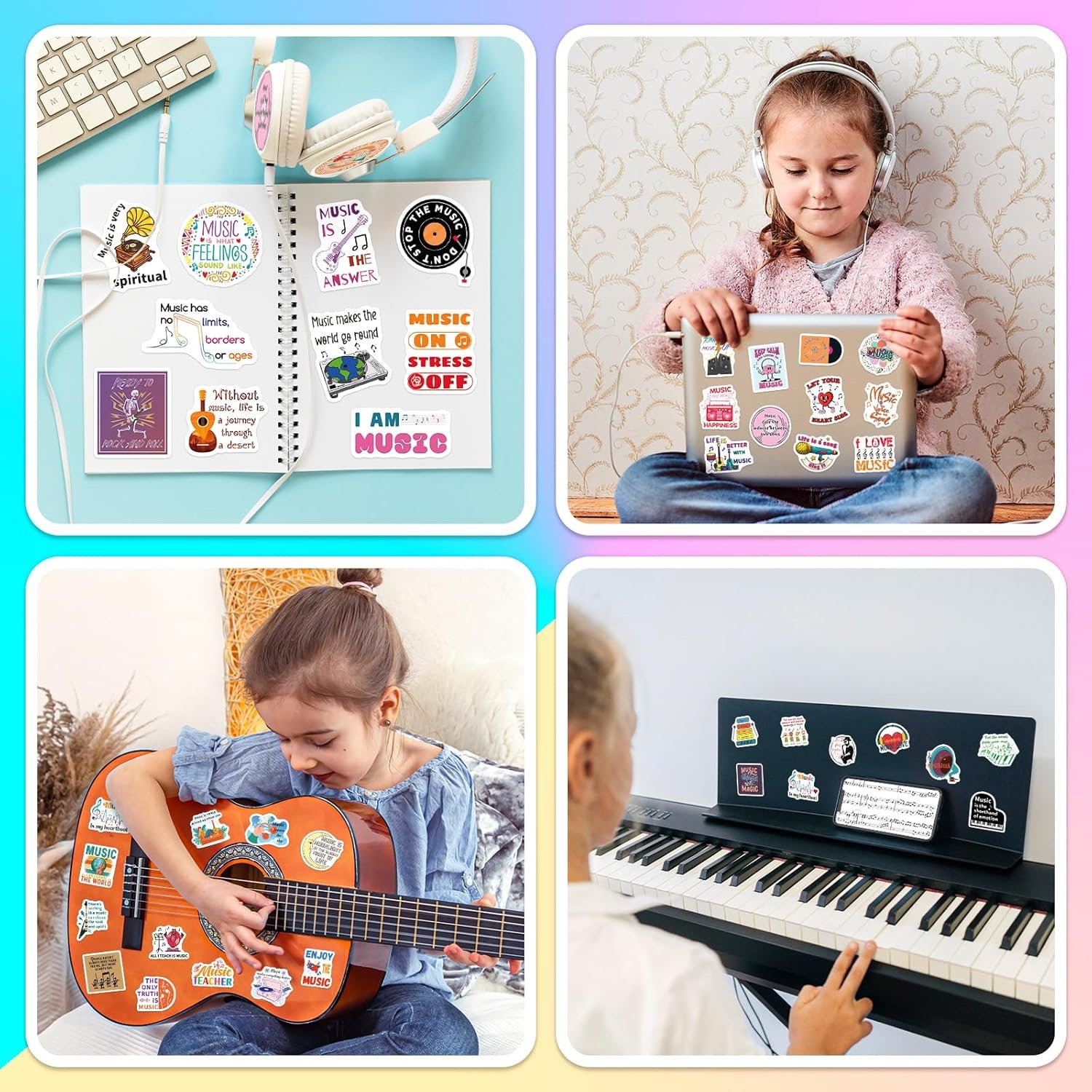
Music stickers have emerged as powerful tools for personal expression and identity construction, particularly among teenagers, young adults, and music enthusiasts. The specific music stickers individuals choose to display on their belongings communicate nuanced information about their musical tastes, cultural affiliations, and personal values without requiring verbal explanation. A laptop covered in music stickers becomes a portable soundtrack of the owner’s musical journey, while a water bottle decorated with band-specific music stickers serves as a walking advertisement for favorite artists and genres.
The social dynamics of music sticker exchange and display create unexpected communities and connections among music lovers. The practice of strategically placing music stickers on personal items functions as non-verbal communication that signals musical identity and facilitates social sorting. Enthusiasts use carefully curated music stickers collections to communicate their musical tastes and values to like-minded individuals, often sparking conversations and friendships based on shared musical appreciation. This social function has expanded into digital spaces, with enthusiasts sharing photos of their music sticker collections on social media platforms and dedicated online communities.
The memorial function of music stickers provides significant emotional value for music enthusiasts. Many people use music stickers to commemorate important musical experiences like first concerts, festival attendance, or personal musical milestones. A carefully placed music sticker can evoke powerful memories of specific moments, relationships, or personal transformations associated with particular artists or songs. This capacity to preserve and trigger musical memories contributes to their enduring popularity and emotional significance, making music stickers tangible connections to meaningful experiences that might otherwise fade from memory over time.
Creative Applications and Artistic Expression
The creative potential of music stickers spans numerous artistic and practical applications beyond simple decoration. Graphic designers and content creators incorporate music stickers into promotional materials, social media content, and presentation visuals where musical themes enhance communication. The professional quality and detailed artwork of modern music stickers make them suitable for both commercial projects and personal crafts, allowing individuals with varying artistic skills to achieve polished visual results that effectively communicate musical concepts and themes.
The journaling and planning communities have fully embraced music stickers as essential elements for documenting musical experiences and enhancing organizational systems. Bullet journal practitioners create elaborate spreads using music stickers to track listening habits, commemorate concert attendance, or create musically-themed monthly designs. The visual elements of music stickers help capture musical memories in ways that words alone cannot, creating richer personal archives of musical discovery and appreciation. Scrapbookers use music stickers to document musical milestones like learning instruments, attending performances, or special musical gifts, creating visual narratives of their ongoing relationships with music.
Home decor and personal space customization represent another significant application for music stickers. Music enthusiasts use themed music stickers to create inspiring practice environments, home recording spaces, or dedicated listening areas. The removable nature of quality music stickers makes them ideal for rental properties or frequently updated spaces, allowing for dramatic visual transformations without permanent commitments. Some enthusiasts create elaborate music sticker displays on walls, furniture, and accessories, surrounding themselves with visual representations of the music that inspires their daily lives and creative practices.
Commercial and Marketing Applications
The business world has recognized the marketing potential of music stickers as effective brand ambassadors and customer engagement tools. Record labels and artists regularly include music stickers with album purchases, creating positive unboxing experiences while increasing brand visibility. The relatively low production cost makes music stickers accessible even to independent musicians and small labels, while their shareability amplifies reach through organic peer-to-peer distribution. This marketing approach has proven particularly effective at building loyal communities around emerging artists, where affordable music stickers provide accessible entry points into artist merchandise.
Music festivals and venues utilize music stickers as practical marketing tools with multiple applications. They serve as admission verification, backstage passes, and promotional giveaways that extend event visibility long after the music ends. The collectible nature of event-specific music stickers often creates secondary markets where enthusiasts trade limited edition designs, further extending brand exposure through collector communities. The practical necessity of music stickers for event operations combined with their marketing value creates exceptional return on investment for organizers while enhancing the fan experience through collectible memorabilia.
The commercial landscape for music stickers has expanded into a sophisticated market with specialized producers, distributors, and consumers. Independent artists and small manufacturers have developed viable business models centered around music stickers production, often focusing on niche genres and subcultures underserved by mainstream merchandise. Online marketplaces support vibrant economies of independent music stickers creators who cater to specific musical interests and subcultures, demonstrating how music stickers have evolved from promotional afterthoughts to significant products in their own right within the music merchandise ecosystem.
Technological Integration and Digital Innovation
Modern technology has dramatically expanded the possibilities for music stickers through digital applications and interactive features. Augmented reality music stickers can now trigger educational content, musical performances, or interactive experiences when scanned with mobile devices. These high-tech music stickers create dynamic connections between physical adhesives and digital resources, offering enhanced engagement opportunities that combine the tactile benefits of traditional stickers with the interactive capabilities of digital technology. This technological integration represents the cutting edge of music stickers development, creating new possibilities for musical engagement and education.
Digital music stickers have emerged as popular features in messaging platforms and social media applications, providing new avenues for musical expression in virtual communication. These digital music stickers allow users to incorporate musical themes and references into their online interactions, extending the expressive capabilities of music stickers into digital spaces. While serving different functions than physical music stickers, digital versions offer complementary benefits that maintain the core concept of visual musical expression while adapting to the requirements of digital communication and social media engagement.
The production technology for physical music stickers has advanced significantly, enabling new materials, finishes, and functional capabilities. Modern manufacturing techniques allow for music stickers with special effects including holographic finishes, textured surfaces, glow-in-the-dark elements, and even scented varieties. These enhanced music stickers create more immersive experiences while expanding their functional applications in both educational and commercial contexts. The development of advanced adhesives has simultaneously improved both permanence and removability, allowing for music stickers that maintain their placement through handling and environmental exposure while still allowing for clean removal when desired.
Cultural Significance and Community Impact
Music stickers have developed significant cultural importance as artifacts that document musical movements and subcultures. The designs, styles, and distribution methods of music stickers often reflect broader cultural trends and technological shifts in music consumption. Vintage music stickers serve as historical records of past musical eras, while contemporary designs capture the visual aesthetics of current scenes. This documentary function makes music stickers valuable not just as decorative items but as cultural artifacts that preserve the visual dimension of musical history and its relationship to broader social and cultural contexts.
The community-building capacity of music stickers extends beyond fan cultures to encompass educational institutions, nonprofit organizations, and social movements. School music programs use music stickers to build program identity and reward student achievement. Nonprofit organizations working in music education or artist support often create custom music stickers to promote their missions and generate operating funds. Social movements with musical connections frequently employ music stickers as awareness-raising tools that spread messages through grassroots distribution networks, demonstrating how music stickers can amplify musical voices in broader social conversations.
The global circulation of music stickers creates opportunities for cross-cultural exchange and appreciation. Enthusiasts can acquire music stickers representing musical traditions from around the world, exposing them to visual representations of diverse cultural practices. This global accessibility supports musical curiosity and cultural literacy, allowing individuals to engage with international musical traditions through affordable, accessible visual artifacts. Educational programs frequently incorporate music stickers from various cultures to support multicultural music education, helping students develop global awareness and appreciation for musical diversity across different societies and traditions.
Conclusion
Music stickers represent a fascinating convergence of artistic expression, educational utility, and cultural communication within global music communities. Their multiple roles – from practical learning tools to personal expression and commercial applications – explain their enduring popularity across diverse demographics. The accessibility and affordability of music stickers maintain music’s democratic spirit while allowing for unlimited creative possibilities in how people engage with and express their musical identities across different contexts and environments.
As music consumption continues to evolve in increasingly digital environments, music stickers provide tangible connections to musical experiences that might otherwise feel ephemeral or disconnected from physical reality. They document personal musical journeys while connecting individual enthusiasts to broader communities and traditions. Whether serving as educational aids, therapeutic tools, marketing materials, or simple decorations, music stickers demonstrate how visual elements can enhance and complement our auditory experiences, creating richer, more multidimensional engagements with music in all its forms and manifestations.
The future of music stickers will likely include continued innovation in interactive technologies, sustainable materials, and distribution methods while maintaining the core qualities that have made them enduringly popular across generations of music lovers. Their unique capacity to bridge auditory and visual experiences, connect physical and digital environments, and integrate aesthetic appeal with practical utility ensures that music stickers will continue evolving to serve new functions while preserving their essential role in making musical engagement visible, tangible, and shareable across communities and generations.
Reviews
There are no reviews yet.