Introduction
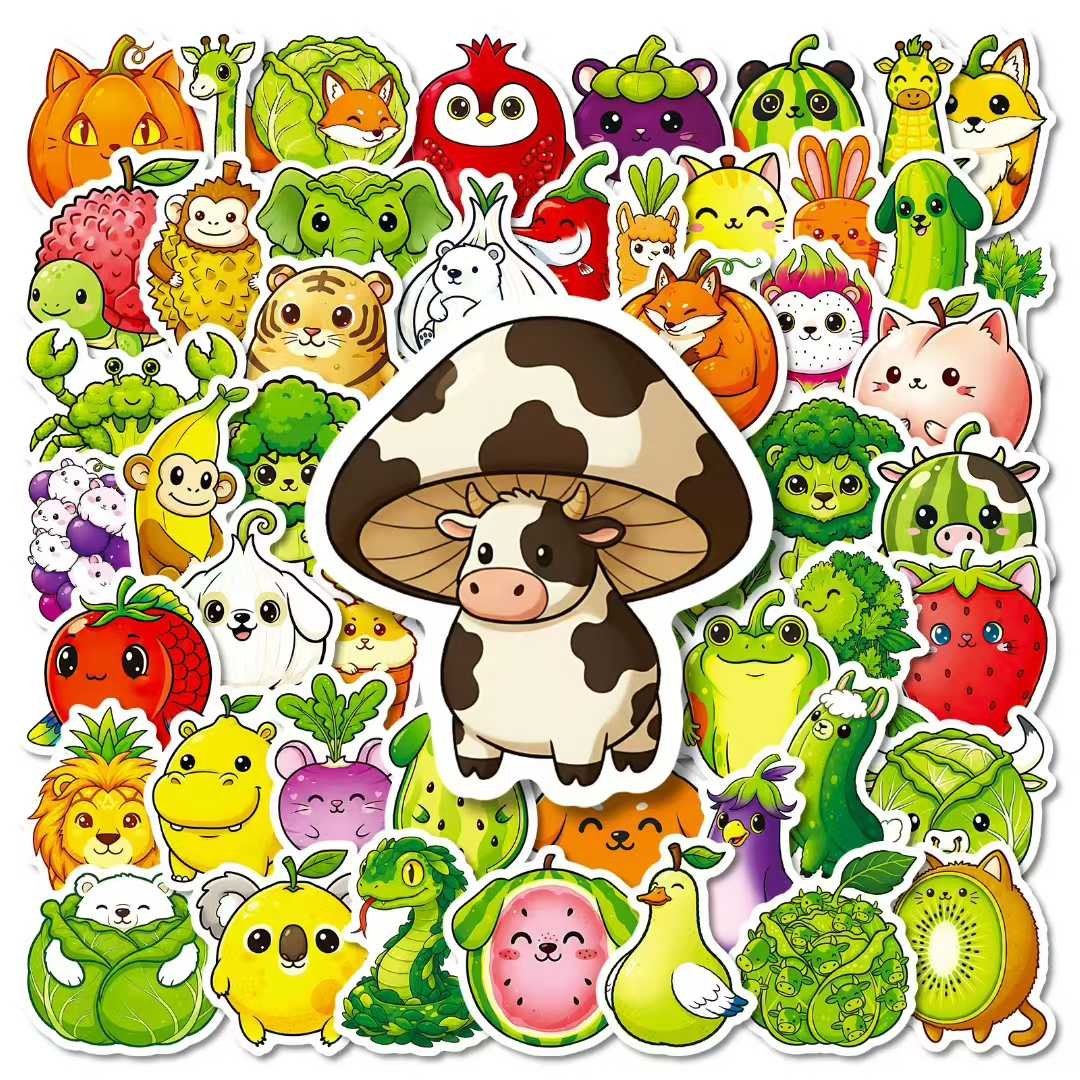
In the colorful world of educational tools and creative crafts, few items capture the imagination quite like fruit, vegetable, and small animal stickers. These vibrant, nature-inspired decals have become essential tools for parents, teachers, and craft enthusiasts alike. Beyond their obvious visual appeal, they serve as gateways to learning about nature, nutrition, and wildlife in engaging, hands-on ways.
The magic of fruit, vegetable, and small animal stickers lies in their versatility. They can transform ordinary learning into extraordinary adventures, turn basic items into personalized treasures, and make complex concepts accessible to young minds. This comprehensive guide will walk you through creating your own stunning nature-themed stickers, exploring their countless practical applications, and understanding their significant educational benefits.
Part 1: Creating Your Own Nature-Themed Sticker Collection
Method 1: The Educational Accuracy Approach
Perfect for classroom settings and homeschooling environments, this method emphasizes realistic representation.
Materials Needed:
-
Reference images from nature guides and educational resources
-
Printable vinyl sticker paper (matte finish works best for realistic textures)
-
Quality colored pencils, markers, or digital drawing tools
-
Precision scissors or craft cutter
-
Laminating sheets for durability
-
Field guides or nature apps for accuracy verification
Creation Process:
-
Research and Reference Gathering:
-
Collect high-quality images of fruits, vegetables, and small animals
-
Focus on species common to your region for local relevance
-
Include variations (different apple types, seasonal vegetables, local wildlife)
-
Note distinguishing features for educational accuracy
-
-
Design Phase:
-
Create proportional representations maintaining accurate colors
-
Develop lifecycle sets (seed to plant, animal growth stages)
-
Include habitat elements for context
-
Add subtle texture details for visual interest
-
-
Production Quality Control:
-
Print test sheets to verify color accuracy
-
Check scale relationships between different elements
-
Ensure clean, precise cutting lines
-
Verify adhesive quality and durability
-
Method 2: The Whimsical and Stylized Approach
For those prioritizing creative expression and child-friendly appeal, this method encourages artistic interpretation.
Creative Materials:
-
Watercolor paper for organic texture effects
-
Mixed media supplies for dimensional interest
-
Glow-in-the-dark and metallic elements
-
Various paper textures for different effects
-
Decorative edge scissors for varied borders
Artistic Techniques:
-
Character Development:
-
Create smiling vegetables with personality
-
Design friendly animal characters with expressive features
-
Develop seasonal themes and costumes
-
Build interconnected scenes and stories
-
-
Style Exploration:
-
Kawaii-style simple designs with big eyes
-
Vintage botanical illustration influences
-
Modern minimalist interpretations
-
Folk art inspired patterns and colors
-
-
Interactive Elements:
-
Create puzzle-style connecting stickers
-
Design habitat background scenes
-
Develop “find the animal” hidden element designs
-
Include educational facts in decorative borders
-
Part 2: Practical Applications and Creative Uses
Educational Implementations
Nutritional Education:
-
Food Group Sorting: Create interactive charts for sorting fruits and vegetables
-
Healthy Eating Promotion: Use stickers to decorate meal planning charts
-
Garden Planning: Design pretend garden layouts with vegetable stickers
-
Color Recognition: Use colorful fruit stickers for color identification games
Science and Nature Studies:
-
Ecosystem Creation: Build habitat scenes with appropriate plants and animals
-
Lifecycle Demonstration: Show plant growth and animal development sequences
-
Classification Activities: Sort stickers by categories and characteristics
-
Seasonal Awareness: Create displays showing seasonal changes in nature
Language Development:
-
Vocabulary Building: Label stickers with names in multiple languages
-
Story Creation: Use stickers as prompts for original nature stories
-
Phonics Practice: Match beginning sounds with corresponding stickers
-
Descriptive Language: Encourage detailed descriptions of sticker elements
Daily Life Applications
Organization and Planning:
-
Chore Chart Enhancement: Use different stickers to represent various tasks
-
Schedule Visualization: Create visual timetables for young children
-
Goal Tracking: Mark achievements with special reward stickers
-
Memory Keeping: Decorate journals and scrapbooks with nature themes
Creative Expression:
-
Personal Item Customization: Decorate lunchboxes, water bottles, and notebooks
-
Greeting Card Design: Create nature-themed cards for all occasions
-
Home Decor Projects: Make decorative elements for children’s rooms
-
Gift Packaging: Use as unique, personal touches on gifts
Part 3: Developmental and Educational Benefits
Cognitive Development Advantages
Scientific Understanding:
-
Nature Literacy: Builds familiarity with common plants and animals
-
Ecological Awareness: Teaches relationships between living things
-
Observation Skills: Encourages attention to detail and characteristics
-
Categorization Ability: Develops sorting and classification skills
Academic Foundation:
-
Early Science Concepts: Introduces biology and environmental science
-
Mathematical Thinking: Supports counting, sorting, and patterning
-
Language Development: Expands vocabulary and descriptive abilities
-
Visual Literacy: Enhances interpretation of visual information
Psychological and Social Benefits
Emotional Development:
-
Nature Connection: Fosters appreciation and respect for living things
-
Responsibility Awareness: Teaches care for plants and animals
-
Achievement Motivation: Provides visible rewards for accomplishments
-
Self-Expression: Allows personal choice and creative arrangement
Social Skills:
-
Collaborative Learning: Encourages group projects and sharing
-
Communication Practice: Promotes discussion about nature topics
-
Cultural Awareness: Explores different foods and animals from various cultures
-
Community Connection: Relates to local farmers markets and wildlife
Part 4: Advanced Projects and Integration Ideas
Comprehensive Learning Systems
Themed Learning Units:
-
Garden Exploration Kits: Create comprehensive garden-themed sets
-
Farm Life Collections: Develop complete farm ecosystem sticker sets
-
Forest Adventure Packs: Design woodland habitat packages
-
Nutrition Education Systems: Build complete food education resources
Interactive Display Ideas:
-
Rotating Season Trees: Create trees that change with seasons using different stickers
-
Food Pyramid Displays: Build large-scale nutritional guides
-
Animal Habitat Dioramas: Construct detailed scene boxes
-
Lifecycle Wheels: Make rotating diagrams showing growth stages
Technology Integration
Digital Enhancement:
-
QR Code Links: Connect stickers to online resources and videos
-
Augmented Reality: Create interactive digital experiences
-
Digital Documentation: Photograph sticker arrangements for portfolios
-
Online Sharing: Create digital stories using sticker scans
Cross-Platform Learning:
-
Book Companions: Coordinate with nature-themed children’s books
-
App Integration: Complement educational nature apps
-
Video Connections: Relate to educational programming
-
Real-World Activities: Connect to gardening and nature walks
Conclusion
Fruit, vegetable, and small animal stickers represent much more than simple decorative items. They are powerful educational tools that bridge the gap between abstract concepts and tangible understanding. Through their creation and use, children and adults alike develop deeper connections with the natural world while building essential cognitive and creative skills.
The process of designing these stickers encourages attention to detail and appreciation for nature’s diversity. Their application in educational settings makes learning interactive and memorable. The flexibility of their use across multiple subjects and environments demonstrates their remarkable versatility as teaching tools.
Moreover, the accessibility of sticker creation means that educators and parents can develop customized materials that perfectly suit their specific educational goals and local environment. This personalization enhances relevance and engagement, making learning more meaningful and effective.
As we continue to seek ways to connect young learners with the natural world, fruit, vegetable, and small animal stickers stand out as simple yet profoundly effective tools. They bring the wonder of nature into classrooms and homes, making learning about our environment an engaging, creative, and joyful experience. In an increasingly digital world, these tactile, colorful representations of nature provide essential hands-on experiences that cultivate both knowledge and appreciation for the living world around us.
Reviews
There are no reviews yet.