Introduction
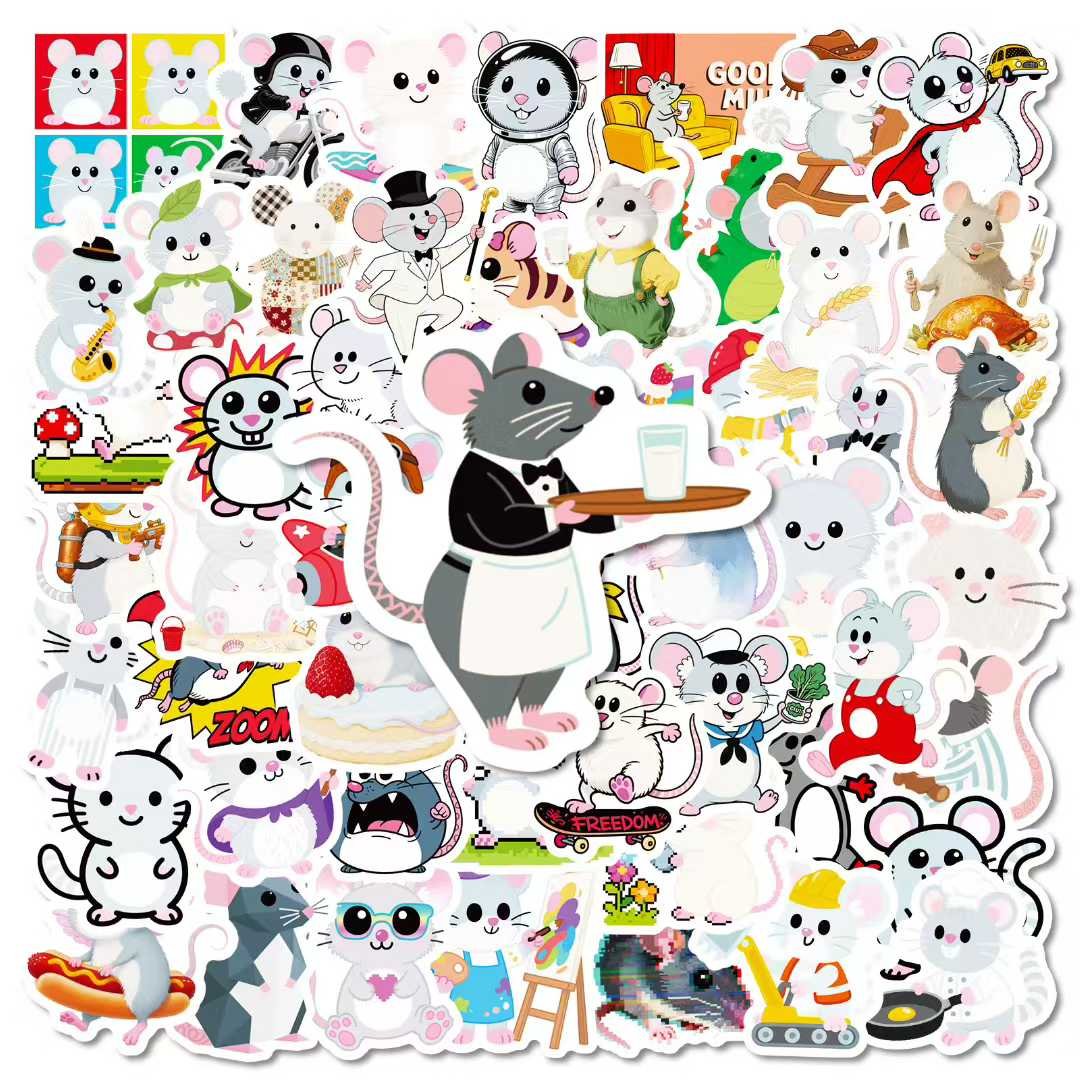
From beloved cartoon characters to fascinating scientific subjects, stickers related to mice have captured our imagination in countless ways. These versatile decals featuring one of nature’s most adaptable creatures serve multiple purposes – as educational tools, decorative elements, and creative outlets. Whether depicting laboratory mice contributing to science, wild field mice in their natural habitat, or beloved animated characters, stickers related to mice offer endless possibilities for creativity and learning.
The appeal of creating your own stickers related to mice lies in the incredible diversity of styles and applications. You can create realistic scientific illustrations, whimsical cartoon characters, or cultural representations from mouse mythology and folklore. This comprehensive guide will explore methods for creating captivating mouse stickers, innovative ways to use them, and the surprising benefits they offer for education and creative expression.
Part 1: Creating Engaging Stickers Related to Mice
Method 1: The Educational and Scientific Approach
Perfect for classrooms, nature centers, and science enthusiasts, this method emphasizes accuracy and educational value.
Materials Needed:
-
Reference materials: field guides, scientific diagrams, nature photographs
-
Quality drawing paper or digital drawing tablet
-
Fine-line pens for detailed work
-
Printable vinyl paper or waterproof sticker paper
-
Precision cutting tools
-
Magnifying glass for observing details (optional)
Creation Process:
-
Research and Reference:
-
Study different mouse species (house mice, field mice, deer mice)
-
Understand mouse anatomy, proportions, and features
-
Observe characteristic poses and behaviors
-
Note habitat elements and food sources
-
-
Scientific Accuracy:
-
Capture accurate proportions and physical characteristics
-
Include distinctive features like ear size, tail length, and coloring
-
Create lifecycle sequences from pup to adult
-
Show mice in natural behaviors and habitats
-
-
Educational Enhancement:
-
Add subtle educational elements to designs
-
Create comparison stickers showing different species
-
Include habitat and diet information in border designs
-
Develop sequential stickers showing behaviors or life cycles
-
Method 2: The Creative and Whimsical Approach
For those prioritizing artistic expression and character development, this method encourages imagination and style.
Creative Materials:
-
Colored art papers and mixed media supplies
-
Various marker types (brush, fine-line, alcohol-based)
-
Watercolor sets for soft effects
-
Decorative papers for collage elements
-
Special effect pens (glitter, metallic, glow-in-the-dark)
Artistic Development:
-
Character Creation:
-
Develop unique mouse characters with distinct personalities
-
Create families or groups of mouse characters
-
Design costumes and accessories for different themes
-
Establish consistent style across character sets
-
-
Style Exploration:
-
Kawaii-style simple designs with expressive features
-
Vintage illustration influences with cross-hatching
-
Modern graphic styles with bold outlines
-
Watercolor techniques for soft, natural effects
-
-
Theme Development:
-
Seasonal designs (mice with autumn leaves, winter scenes)
-
Occupational themes (farmer mice, scientist mice)
-
Fantasy elements (fairy tale mice, magical mice)
-
Cultural representations from global mouse folklore
-
Part 2: Practical Applications and Creative Uses
Educational Applications
Science and Nature Education:
-
Biology Lessons: Use realistic stickers to teach mammalian characteristics
-
Ecosystem Studies: Create habitat scenes showing mouse roles in nature
-
Lifecycle Education: Demonstrate growth stages and reproduction
-
Adaptation Examples: Show how different mice adapt to environments
Literature and Storytelling:
-
Book Companions: Create stickers based on literary mice characters
-
Story Sequencing: Use stickers to illustrate story events
-
Creative Writing: Inspire original stories with character stickers
-
Reading Motivation: Reward reading progress with special stickers
Early Childhood Development:
-
Counting Games: Use mouse stickers for number activities
-
Color Recognition: Employ colorful mouse designs for color learning
-
Size Comparison: Create stickers showing relative sizes of different rodents
-
Pattern Recognition: Develop pattern completion activities
Creative and Decorative Uses
Personal Expression:
-
Planner Decoration: Use mouse stickers to mark important dates
-
Journal Enhancement: Create themed pages with mouse designs
-
Personal Device Customization: Decorate laptops, tablets, and phones
-
Book Plates: Design personalized labels for books
Special Projects:
-
Greeting Cards: Create custom cards for various occasions
-
Party Decorations: Design themed stickers for celebrations
-
Gift Packaging: Use as unique gift tags and decorations
-
Home Organization: Create fun labels for storage and organization
Part 3: Benefits and Positive Impacts
Educational Benefits
Scientific Literacy:
-
Nature Awareness: Builds understanding of common wildlife
-
Ecosystem Understanding: Teaches about food chains and habitats
-
Observation Skills: Encourages attention to animal details and behaviors
-
Research Skills: Sparks interest in learning more about animals
Cognitive Development:
-
Classification Skills: Practice sorting by characteristics and categories
-
Pattern Recognition: Identify similarities and differences
-
Sequencing Ability: Arrange lifecycle and behavior sequences
-
Memory Enhancement: Remembering species names and characteristics
Psychological and Social Benefits
Emotional Development:
-
Empathy Building: Developing care and concern for small creatures
-
Curiosity Cultivation: Encouraging wonder about the natural world
-
Responsibility Awareness: Understanding ethical treatment of animals
-
Achievement Motivation: Earning stickers as rewards for accomplishments
Social Skills:
-
Story Sharing: Creating and telling stories with mouse characters
-
Collaborative Projects: Working together on sticker scenes and displays
-
Knowledge Sharing: Teaching others about mice and nature
-
Community Connection: Participating in group activities and projects
Part 4: Advanced Projects and Integration Ideas
Comprehensive Learning Systems
Themed Educational Kits:
-
Mouse Habitat Kits: Create complete environment sticker sets
-
Lifecycle Collections: Develop comprehensive growth stage sets
-
Comparison Studies: Show different rodent species and characteristics
-
Seasonal Behavior Sets: Demonstrate how mice adapt through seasons
Interactive Learning Tools:
-
Magnetic Board Sets: Create reusable scene-building kits
-
Puzzle Activities: Design sticker-based matching games
-
Flashcard Systems: Make educational flashcards with sticker elements
-
Measurement Tools: Include scale references for size understanding
Technology Integration
Digital Enhancement:
-
QR Code Links: Connect stickers to educational videos and resources
-
Augmented Reality: Create interactive experiences through app connections
-
Digital Documentation: Photograph sticker arrangements for portfolios
-
Online Sharing: Safely share creations with educational communities
Cross-Platform Learning:
-
Book Integration: Coordinate with children’s literature about mice
-
Video Companions: Connect to educational programming
-
App Connections: Complement nature and science apps
-
Real-World Activities: Link to outdoor observation and nature journals
Conclusion
Stickers related to mice offer far more than simple decorative appeal. They serve as gateways to understanding nature, sparking creativity, and developing important cognitive and emotional skills. Through the process of creating and using these versatile stickers, children and adults alike can develop deeper connections with the natural world while building essential learning capabilities.
The educational potential of stickers related to mice is particularly significant. They make abstract scientific concepts tangible and memorable, bringing biology and ecology to life in engaging, hands-on ways. The ability to create customized educational materials means that parents and teachers can develop resources perfectly suited to their specific learning objectives and local environment.
Moreover, the creative possibilities allow for personal expression and artistic development. Whether creating realistic scientific illustrations or imaginative character designs, the process fosters artistic skills and creative thinking. The accessibility of sticker creation means that anyone can participate, regardless of artistic background or experience level.
As we seek to foster environmental awareness and scientific literacy, stickers related to mice provide an accessible, engaging medium for exploring important concepts about wildlife, ecosystems, and our relationship with the natural world. These small creations can inspire big thinking, curiosity, and appreciation for some of nature’s most remarkable small creatures. In educational settings, personal projects, or professional applications, stickers related to mice continue to demonstrate their value as both learning tools and creative outlets.
Reviews
There are no reviews yet.