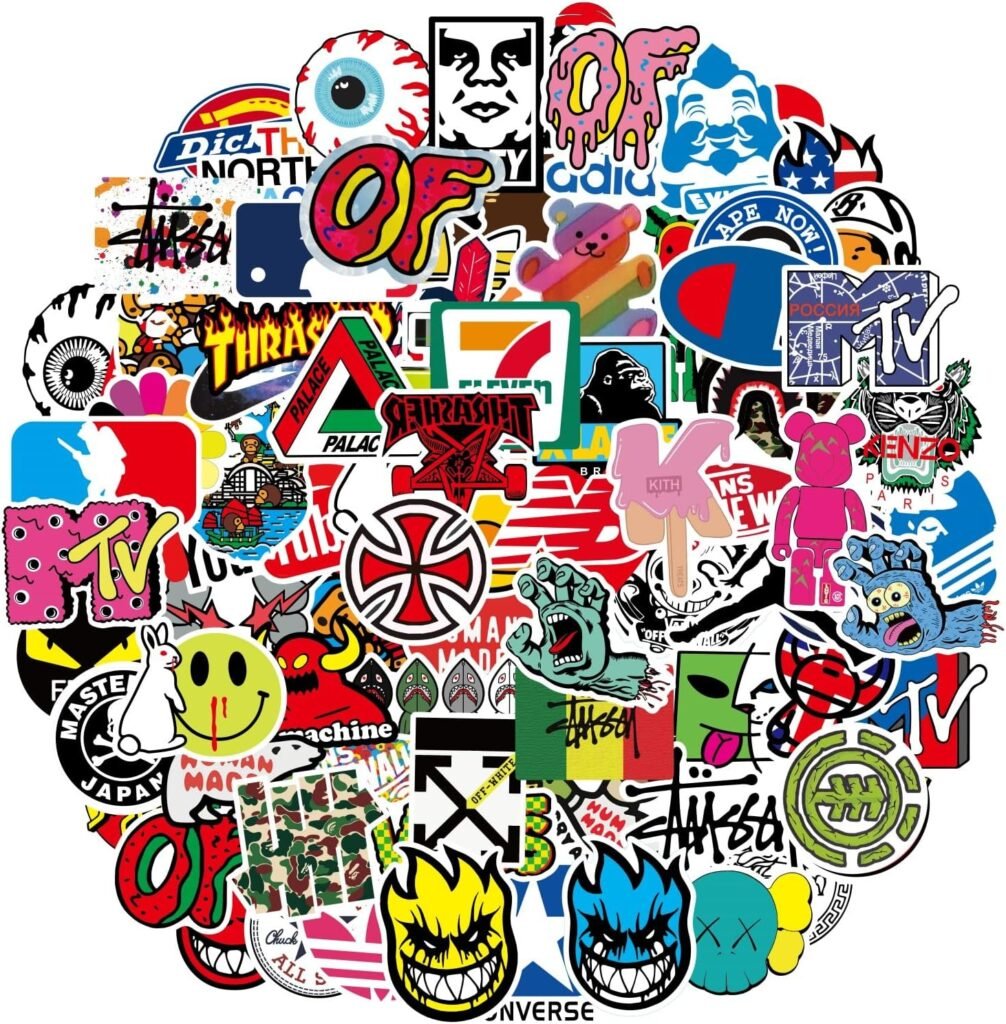
Brand stickers have transformed from simple promotional freebies into sophisticated marketing assets that drive brand recognition, customer loyalty, and social engagement. These customized adhesive products featuring company logos, taglines, and brand imagery deliver exceptional value across multiple business functions. The strategic deployment of brand stickers enables companies to maintain brand visibility, foster authentic customer relationships, and generate measurable marketing returns in an increasingly crowded digital landscape.
Cost-Effective Marketing and Advertising
Brand stickers represent one of the most efficient marketing investments available to modern businesses. With production costs significantly lower than traditional advertising channels, brand stickers deliver extended exposure as customers display them on personal items including laptops, water bottles, notebooks, and vehicles. This organic placement transforms everyday objects into mobile advertisements that gain thousands of impressions as they move through different environments. The voluntary nature of sticker display means brands benefit from authentic endorsements rather than intrusive advertising, creating social proof that influences purchasing decisions within the user’s social circle. Studies indicate that word-of-mouth recommendations generated through brand stickers carry up to five times more influence than corporate advertising messages.
The longevity of brand stickers further enhances their marketing value. Unlike digital ads that disappear after campaigns end or print materials with limited distribution, brand stickers continue working for months or even years after initial distribution. A single well-placed sticker on a frequently used item like a laptop or water bottle can generate consistent daily exposure in workplaces, coffee shops, gyms, and public transportation. This sustained visibility reinforces brand recognition and maintains top-of-mind awareness without additional investment. The shareability factor amplifies this effect, as customers often trade or gift extra stickers, extending brand reach organically through peer networks rather than paid channels.
Digital integration has expanded the marketing potential of brand stickers through social media campaigns and user-generated content initiatives. Companies encourage customers to share photos of their creatively placed stickers using branded hashtags, creating authentic content that reaches new audiences. These campaigns generate valuable social proof while providing trackable engagement metrics. The emergence of digital brand stickers for messaging platforms and social media maintains brand relevance in digital conversations, particularly with younger demographics who prefer visual communication. This dual presence in physical and digital spaces creates multiple touchpoints that reinforce brand identity across different consumer contexts.
Brand Identity and Visual Consistency
Brand stickers play a crucial role in establishing and maintaining visual consistency across customer touchpoints. The design elements incorporated into stickers – including precise color matching, typography, and logo placement – reinforce brand identity each time customers encounter them. This repeated exposure strengthens brand recognition, a key component of brand equity that directly influences purchasing decisions. For new market entrants, brand stickers provide an affordable method to establish visual presence, while established companies use them to maintain awareness and combat brand fatigue in competitive markets.
The quality of brand stickers directly communicates brand values and attention to detail. Premium materials, precise printing, and durable construction demonstrate commitment to excellence that reflects on overall brand perception. Customers intuitively associate sticker quality with product quality, making investment in superior brand stickers a strategic decision that influences broader brand perception. This quality association extends to employee morale, as staff feel greater pride distributing high-quality materials that reflect positively on their workplace and professional standards.
Strategic brand stickers design allows companies to express brand personality and values in ways that resonate with target audiences. Through clever designs, humorous messaging, or artistic elements, stickers communicate brand character beyond functional benefits. This emotional connection transforms transactional relationships into genuine affiliations, fostering loyalty that extends beyond price considerations. Companies known for their creative sticker programs often develop dedicated followings, with customers actively collecting new designs and anticipating limited releases. This collector mentality extends brand engagement beyond primary products, creating additional touchpoints and conversation opportunities.
Customer Engagement and Loyalty Building
Brand stickers serve as powerful tools for enhancing customer engagement through interactive campaigns and reward systems. Companies increasingly incorporate stickers into loyalty programs as collectible items customers earn through purchases, social media engagement, or other brand interactions. This gamification approach increases participation rates and extends customer lifetime value by encouraging repeated engagement. The collectible nature of series-based stickers creates ongoing interaction opportunities as customers seek to complete sets or acquire limited editions, particularly effective with younger consumers who value experiences and self-expression through brand affiliations.
The inclusion of brand stickers in product packaging has become standard practice for direct-to-consumer brands seeking to create memorable unboxing experiences. These unexpected gifts generate delight that customers frequently share on social media, providing organic marketing and social proof. The relatively low cost of including stickers in packages creates significant positive impact on customer perception and brand affinity. This practice proves especially valuable in e-commerce, where physical interactions are limited, and stickers provide tangible elements that enhance digital relationships. The shareability extends brand reach as recipients display stickers in various contexts, essentially becoming voluntary brand ambassadors.
Community building represents another significant application of brand stickers in customer engagement strategies. Brands create exclusive stickers for specific customer segments, event attendees, or loyalty program members, fostering feelings of belonging and special status. This exclusivity strengthens emotional connections and encourages continued brand affiliation. Additionally, brand stickers facilitate connections between customers who recognize shared brand preferences, creating organic community networks that extend beyond company-initiated interactions. These peer-to-peer connections often prove more influential than corporate messaging in maintaining long-term loyalty, as they’re built on genuine shared interests rather than commercial relationships.
Employee Engagement and Internal Brand Advocacy
Brand stickers have emerged as valuable tools for strengthening internal culture and turning employees into brand advocates. Companies provide employees with stickers featuring company logos, values statements, and internal campaign messages to foster pride and affiliation. When employees voluntarily display these stickers on personal items, they demonstrate genuine connection to their workplace that transcends professional obligation. This organic display serves as authentic endorsement that influences potential hires and business partners, making brand stickers unexpected recruitment and business development tools.
The application of brand stickers in internal communications helps reinforce cultural transformation and strategic alignment during organizational changes. During mergers, rebranding efforts, or strategic shifts, stickers featuring new logos or vision statements help familiarize employees with evolving identities while building unity around new directions. The physical presence of these items in workspaces serves as constant reinforcement of strategic messages that might otherwise be forgotten in daily workflows. This tangible representation of abstract concepts like mission and values makes them more concrete and memorable for employees at all levels.
Workplace customization with brand stickers contributes to environmental personalization that enhances employee satisfaction and psychological ownership. As companies adopt flexible office designs that limit personal expression, brand stickers provide approved avenues for customizing shared equipment and workspaces within brand guidelines. This balance between individual expression and brand consistency helps employees feel more connected to their environments while maintaining professional standards. The relatively low cost of providing stickers to employees creates substantial returns in workplace satisfaction, brand alignment, and organic marketing as employees carry branded items between work and personal contexts.
Production Quality and Material Innovation
The production quality of brand stickers directly influences brand perception and should align with overall brand positioning. High-quality stickers featuring premium materials, precise printing, and durable adhesives communicate excellence that reflects positively on broader brand perception. Leading brands typically invest in superior materials and printing techniques, understanding that these items serve as tangible representations of quality commitments to customers and stakeholders. The tactile experience of premium stickers creates positive associations that extend to overall brand perception.
Material selection requires careful consideration of intended applications and environmental exposure. Weather-resistant vinyl options maintain integrity when used outdoors on vehicles or equipment, while repositionable varieties allow for temporary displays at events or in rental situations. Eco-conscious companies increasingly opt for sustainable materials, including recycled papers and plant-based adhesives, that align with environmental values and appeal to sustainability-minded consumers. These material choices communicate brand values beyond marketing messages, demonstrating commitment through product decisions.
Consistency in design execution across brand sticker productions maintains brand integrity and recognition. Professional stickers adhere strictly to brand guidelines regarding color specifications, logo usage, and typography to ensure immediate recognition and alignment with other brand materials. Many companies develop comprehensive sticker guidelines that specify approved designs, sizes, and usage contexts to maintain control over brand representation. This strategic approach ensures that stickers enhance rather than compromise brand equity through inconsistent or inappropriate usage.
Strategic Implementation and Future Evolution
Brand stickers deliver maximum impact when integrated into comprehensive marketing strategies rather than deployed as isolated tactics. Successful implementation begins with clear objectives – whether increasing brand awareness, driving social engagement, or reinforcing customer loyalty – that guide design decisions and distribution strategies. Alignment with broader marketing initiatives ensures consistent messaging across channels while maximizing campaign effectiveness. Measurement protocols, including unique codes, dedicated hashtags, or tracking URLs, provide valuable data about sticker performance and ROI.
The evolution of brand stickers continues as technological innovations create new applications. Augmented reality features, scannable QR codes, and NFC chips represent the next frontier for stickers as bridges between physical and digital experiences. However, the fundamental value of stickers as tangible brand representations will maintain their relevance regardless of technological advancements. As consumers seek authentic brand relationships, stickers provide genuine connection points that humanize corporations and create emotional bonds.
Looking forward, brand stickers will maintain importance in marketing strategies while evolving to address changing consumer preferences. Sustainable production methods, digital integration, and creative applications will shape their development, but their core function as vehicles for brand expression will endure. Companies that strategically leverage stickers as integral components of their marketing and engagement initiatives will continue benefiting from this versatile tool that transforms customers into advocates, employees into ambassadors, and ordinary objects into brand statements that work continuously to strengthen market position and drive business growth.