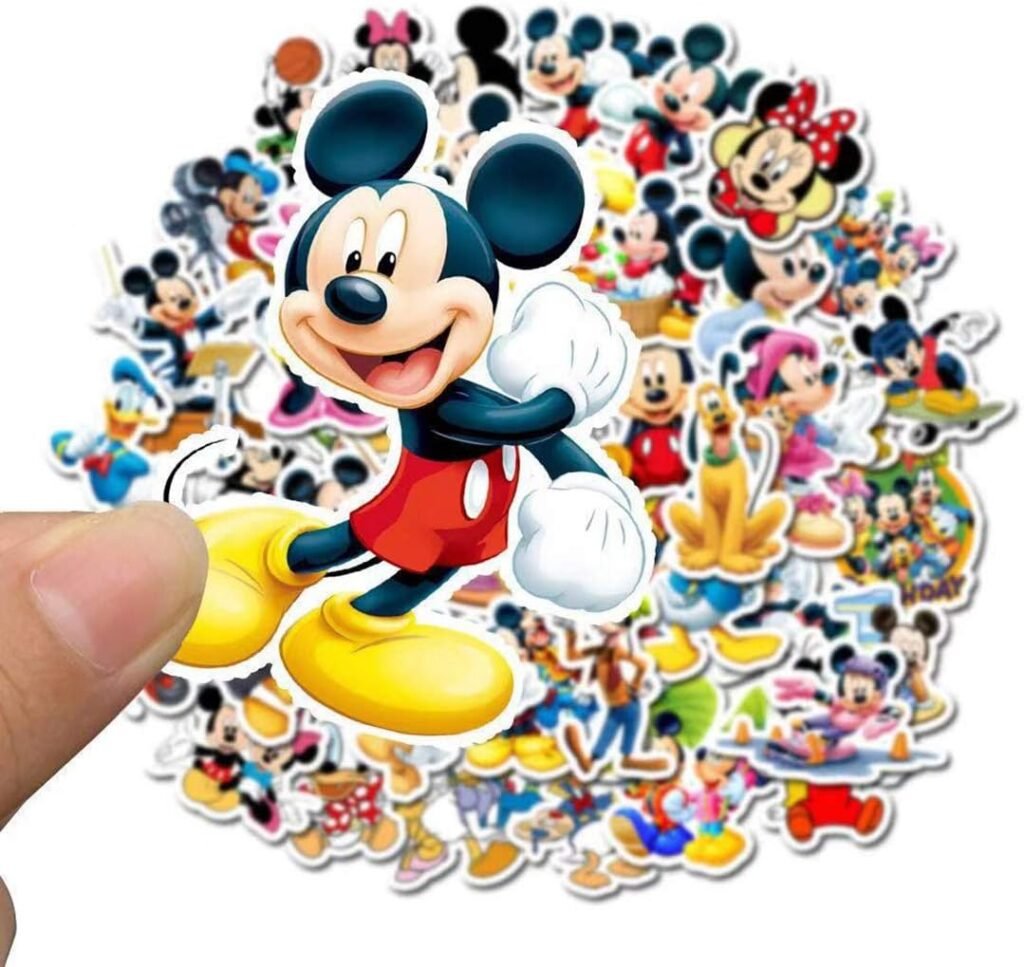
Brand stickers have become an essential marketing tool for businesses of all sizes, offering an affordable way to increase brand visibility and connect with customers. These versatile adhesive products serve as mobile advertisements, conversation starters, and brand ambassadors that work around the clock. Understanding how to create effective brand stickers, along with their numerous applications and benefits, can help businesses maximize their marketing impact and build stronger customer relationships.
Creating Effective Brand Stickers
The creation process for brand stickers begins with strategic design planning. Successful sticker designs balance visual appeal with brand consistency, ensuring immediate recognition while capturing attention. Start by defining your sticker’s purpose – whether for promotional campaigns, product packaging, or brand advocacy. The design should incorporate your brand’s color palette, typography, and logo while considering the sticker’s shape and size. Many companies create multiple sticker designs to appeal to different audience segments, from minimalist logo-only versions to illustrated designs featuring brand mascots or slogans.
Material selection plays a crucial role in brand stickers effectiveness. Standard vinyl options work well for indoor use, while weather-resistant materials are essential for outdoor applications. Consider your target usage scenarios when choosing between matte, gloss, or specialty finishes like holographic or glitter effects. The adhesive quality must balance strong attachment with clean removal, especially for stickers intended for laptops or other personal items. Working with professional printers ensures color accuracy and material quality that reflects positively on your brand. Many companies now offer eco-friendly options using recycled materials and plant-based inks to align with sustainable brand values.
Production techniques have evolved significantly, with digital printing enabling cost-effective short runs and custom variations. Die-cutting technology allows for custom shapes that enhance visual interest and brand recognition. For businesses starting with brand stickers, it’s wise to begin with smaller test batches before committing to large quantities. This approach allows for design refinements based on real-world feedback and ensures your stickers resonate with your target audience while maintaining print quality across different production runs.
Marketing and Advertising Applications
Brand stickers serve as powerful marketing tools with exceptional reach and longevity. When included with product shipments or made available at physical locations, customers become brand ambassadors by displaying stickers on their personal items. This organic distribution model transforms everyday objects into mobile advertisements that gain thousands of impressions as they travel with users. The voluntary nature of sticker display creates authentic endorsements that carry more weight than traditional advertising, leveraging social proof within personal networks.
The cost-effectiveness of brand stickers makes them accessible for businesses with limited marketing budgets. Compared to digital ads that require ongoing investment or print ads with limited circulation, stickers continue working long after initial distribution. A single well-placed sticker on a frequently used item can generate consistent daily exposure across multiple environments. The shareability factor amplifies this effect, as customers often trade or gift extra stickers, extending brand reach organically through peer networks rather than paid channels.
Digital integration has expanded the marketing potential of brand stickers through social media campaigns and user-generated content initiatives. Companies encourage customers to share photos of their creatively placed stickers using branded hashtags, creating authentic content that reaches new audiences. The emergence of digital stickers for messaging platforms maintains brand relevance in digital conversations, particularly with younger demographics. This dual presence in physical and digital spaces creates multiple touchpoints that reinforce brand identity across different consumer contexts.
Brand Building and Identity Reinforcement
Brand stickers play a vital role in establishing and maintaining consistent brand identity across multiple touchpoints. The design elements incorporated into stickers – including logos, color schemes, and typography – reinforce visual identity each time customers encounter them. This repeated exposure strengthens brand recognition and recall, key components of brand equity. For new businesses, stickers provide an affordable way to establish visual presence, while established companies use them to maintain top-of-mind awareness.
The strategic use of brand stickers contributes significantly to brand personality development. Through clever designs, humorous messages, or visually appealing artwork, stickers allow companies to express brand values in ways that resonate with target demographics. This emotional engagement transforms transactional relationships into genuine connections, fostering loyalty that extends beyond product features or price points. Companies known for their creative stickers often develop dedicated followings, with customers collecting new designs and anticipating limited editions.
Quality consistency across brand stickers communicates attention to detail and commitment to excellence. High-quality materials, precise printing, and thoughtful design demonstrate that a company values quality in all customer interactions. This perception translates into increased trust and willingness to recommend the brand to others. Stickers also provide flexible platforms for communicating brand stories and values through visual elements and concise messaging, helping humanize corporations and create narrative connections.
Customer Engagement and Loyalty Programs
Brand stickers serve as effective tools for enhancing customer engagement through interactive campaigns and reward systems. Companies incorporate stickers into loyalty programs as collectible items that customers earn through purchases or brand interactions. This gamification approach increases participation rates and extends customer lifetime value by encouraging repeated engagement. The collectible nature of series-based stickers creates ongoing interaction opportunities as customers seek to complete sets or acquire limited editions.
The inclusion of brand stickers in product packaging has become standard practice for creating memorable unboxing experiences. These unexpected gifts generate delight that customers often share on social media, providing organic marketing and social proof. The relatively low cost of including stickers in packages creates significant positive impact on customer perception and brand affinity. This practice proves especially valuable in e-commerce, where physical interactions are limited, and stickers provide tangible elements that enhance digital relationships.
Community building represents another significant application of brand stickers in engagement strategies. Brands create exclusive stickers for specific customer segments, event attendees, or loyalty program members, fostering feelings of belonging and special status. This exclusivity strengthens emotional connections and encourages continued brand affiliation. Additionally, stickers facilitate connections between customers who recognize shared brand preferences, creating organic community networks that extend beyond company-initiated interactions.
Employee Engagement and Internal Culture
Brand stickers have emerged as valuable tools for strengthening internal culture and employee engagement. Companies provide employees with stickers featuring company logos, values statements, and internal campaign messages to foster pride and affiliation. When employees choose to display these stickers on personal items, they demonstrate genuine connection to their workplace that transcends professional obligation. This organic display serves as authentic endorsement that influences potential hires and business partners.
The application of brand stickers in internal communications helps reinforce cultural transformation and strategic alignment. During organizational changes or rebranding efforts, stickers featuring new logos or vision statements help familiarize employees with evolving identities while building unity around new directions. The physical presence of these items in workspaces serves as constant reinforcement of strategic messages that might otherwise be forgotten in daily workflows.
Workplace customization with brand stickers contributes to environmental personalization that enhances employee satisfaction. As companies adopt flexible office designs that limit personal expression, stickers provide approved avenues for customizing shared equipment and workspaces within brand guidelines. This balance between individual expression and brand consistency helps employees feel more connected to their work environments while maintaining professional standards.
Benefits and Return on Investment
The primary benefit of brand stickers lies in their exceptional cost-effectiveness and marketing ROI. With production costs significantly lower than traditional advertising channels, stickers deliver extended exposure and authentic engagement. The voluntary nature of sticker display means brands benefit from genuine endorsements rather than intrusive advertising, creating social proof that influences purchasing decisions within personal networks.
The longevity of brand stickers enhances their value proposition, as they continue working long after initial distribution. Unlike digital ads that disappear when campaigns end or print materials with limited circulation, stickers maintain visibility for months or years. This sustained exposure reinforces brand recognition without additional investment, while the shareability factor extends reach through organic peer-to-peer distribution.
Brand stickers also provide measurable benefits in customer loyalty and engagement. The inclusion of stickers in loyalty programs and product packaging creates positive emotional connections that translate into repeat business and recommendations. The collectible aspect encourages ongoing engagement, while community-building applications foster brand advocacy that extends beyond commercial relationships.
Conclusion
Brand stickers represent a unique marketing tool that delivers multiple benefits across business functions. From cost-effective advertising and brand building to customer engagement and employee advocacy, stickers offer versatile applications that generate tangible returns. The creation process, while requiring careful planning and quality execution, remains accessible to businesses of all sizes and budgets.
As marketing continues to evolve in increasingly digital landscapes, brand stickers provide tangible connection points that humanize brands and create authentic relationships. Their physical nature stands out in digital-heavy marketing mixes, while their shareability and collectibility maintain relevance across demographic segments. The strategic implementation of stickers within comprehensive marketing strategies ensures consistent messaging while maximizing impact through multiple touchpoints.
Looking forward, brand stickers will continue to adapt to changing consumer preferences and technological advancements. However, their core value as affordable, effective marketing tools that build genuine connections will maintain their importance in business marketing strategies. Companies that leverage stickers as integral components of their branding and engagement initiatives will continue benefiting from this versatile tool that transforms customers into advocates and ordinary objects into brand statements.