Introduction
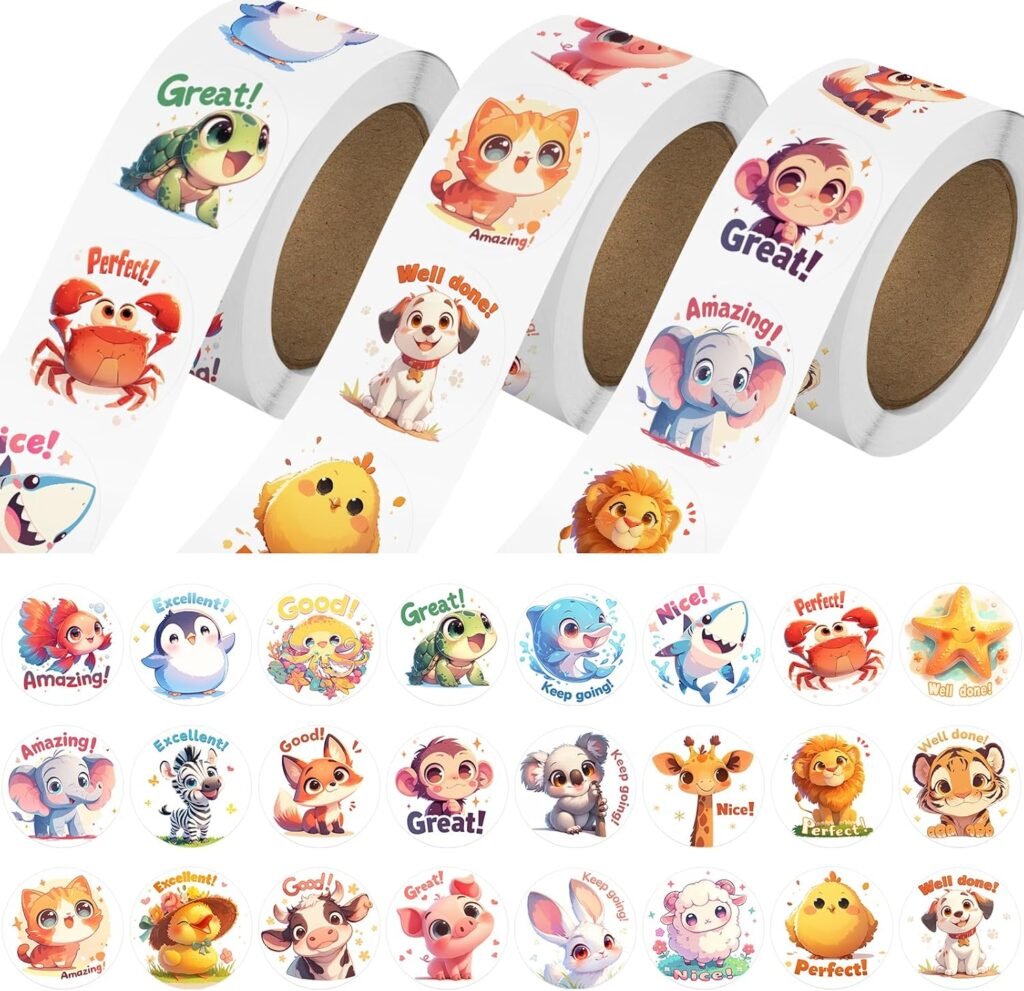
Walk down any toy aisle or browse through a teacher’s supply closet, and you’ll find them – those vibrant sheets of kid’s stickers that instantly light up a child’s face. But these colorful adhesives are far more than simple decorations. Kid’s stickers represent a universal language of childhood creativity, serving as powerful tools for education, emotional expression, and developmental growth. As both parents and educators increasingly seek meaningful ways to engage children, understanding the full potential of kid’s stickers becomes essential.
This complete guide explores the innovative world of kid’s stickers beyond basic crafts, offering fresh ideas for their application, crucial safety considerations, and insight into their significant educational value. Whether you’re a parent looking for quality time activities or an educator seeking new teaching tools, you’ll discover why kid’s stickers remain a timeless and valuable resource in child development.
Part 1: Beyond the Basics – Innovative Uses for Kid’s Stickers
While notebooks and reward charts are classic sticker destinations, the creative possibilities extend much further. Here are some innovative ways to incorporate kid’s stickers into daily activities:
1. Interactive Learning Mats
Create reusable learning surfaces by laminating colorful scenes and having children place stickers accordingly. For example:
- A solar system mat where planet stickers are placed in order
- A weather chart with seasonal and meteorological stickers
- A human body outline for placing organ or bone stickers
- A world map for animal habitat or landmark stickers
2. Developmental Skill Builders
Transform ordinary skill-building exercises into engaging sticker activities:
- Pattern Recognition: Create color or shape patterns for children to complete
- Fine Motor Practice: Use small stickers for precision placement exercises
- Letter Formation: Create outlines of letters using dot stickers
- Counting Games: Use sticker collections as manipulatives for math problems
3. Emotional Intelligence Tools
Kid’s stickers can become powerful aids for emotional development:
- Create “feeling charts” with emotion stickers to help children identify and communicate their moods
- Design sticker-based social stories to teach appropriate behaviors
- Use special stickers as recognition for emotional milestones or coping achievements
4. Special Occasion Enhancements
Elevate celebrations and transitions with thoughtful sticker applications:
- Create personalized birthday crowns or place cards
- Design “first day of school” nametags with encouraging messages
- Make holiday decorations that children can contribute to and customize
- Develop “goodbye ceremony” stickers for difficult transitions
Part 2: Safety First – Choosing and Using Kid’s Stickers Responsibly
While kid’s stickers bring joy and learning opportunities, responsible usage requires attention to safety considerations:
Age-Appropriate Selection
- Under 3 years: Choose large stickers (minimum 2-inch diameter) to prevent choking hazards
- Ages 3-5: Medium-sized stickers with simple peeling requirements
- Ages 6+: More complex stickers with smaller pieces and detailed designs
Material Safety Standards
- Look for ASTM D-4236 certification, indicating art materials have been evaluated for safety
- Choose PVC-free stickers when possible
- Select stickers with non-toxic adhesives, especially for younger children
- Verify lead-free materials, particularly for imported sticker products
Supervision and Placement Guidelines
- Establish clear rules about appropriate surfaces for sticker application
- Teach respect for property by designating specific “sticker surfaces”
- Monitor sticker play to prevent ingestion or inappropriate placement
- Regularly check and refresh sticker collections, removing damaged pieces
Allergy Considerations
- Be aware that some sticker adhesives may contain latex
- Watch for skin reactions, particularly in children with sensitive skin
- Have removal strategies ready for accidental application to skin or hair
Part 3: The Modern Classroom – Kid’s Stickers as Educational Powerhouses
Contemporary education has embraced kid’s stickers as versatile teaching tools that support multiple learning modalities:
Literacy Development
- Use sticker stories to build narrative skills and sequencing ability
- Create sticker-based word walls for vocabulary building
- Develop phonics matching games with beginning sound stickers
- Build sentence structure with color-coded grammar stickers
Mathematics Mastery
- Create hands-on fraction exercises using segmented stickers
- Develop counting and cardinality with themed sticker sets
- Build geometric understanding through shape sticker compositions
- Teach sorting and classification with categorized sticker collections
STEM Applications
- Use directional stickers for early coding concepts
- Create circuit diagrams with conductive sticker tapes
- Develop scientific observation skills through nature sticker journals
- Build engineering concepts with structural sticker challenges
Inclusive Education Support
Kid’s stickers provide particular benefits for diverse learners:
- Visual learners benefit from sticker-enhanced instructions
- Kinesthetic learners engage through hands-on sticker manipulation
- Children with special needs often respond well to sticker-based motivation systems
- English Language Learners use picture stickers for vocabulary building
Part 4: Quality Time – Sticker Activities for Family Bonding
Transform simple sticker play into meaningful family connections with these engaging activities:
Collaborative Art Projects
- Create a family sticker mural on a designated wall or large board
- Design custom family sticker albums with themed pages
- Make personalized greeting cards for relatives and friends
- Develop seasonal decoration projects that everyone contributes to
Storytelling Adventures
- Use sticker scenes as prompts for imaginative storytelling
- Create “choose your own adventure” stories with multiple sticker options
- Build character development through custom sticker creations
- Record family stories enhanced with illustrative stickers
Learning Together
- Create educational games that parents and children can play together
- Develop family chore charts with personalized sticker rewards
- Build memory games using duplicate sticker sets
- Design scavenger hunts with sticker-based clues and rewards
Conclusion
Kid’s stickers have evolved far beyond simple playthings to become sophisticated tools for development, learning, and connection. Their enduring appeal lies in their unique ability to bridge the gap between fun and education, between individual expression and shared experience. As we better understand child development and educational methodologies, the humble sticker continues to prove its value in new and surprising ways.
The true magic of kid’s stickers isn’t just in their bright colors or sticky backing—it’s in the opportunities they create for growth, understanding, and joyful discovery. By thoughtfully incorporating stickers into children’s lives, we provide them with accessible tools for exploring their world, expressing their ideas, and developing essential skills. In an increasingly digital age, the tactile, immediate satisfaction of kid’s stickers remains a powerful and important part of childhood. So the next time you see a sheet of kid’s stickers, see beyond the simple decorations to the countless possibilities they represent for learning, connection, and creative expression.