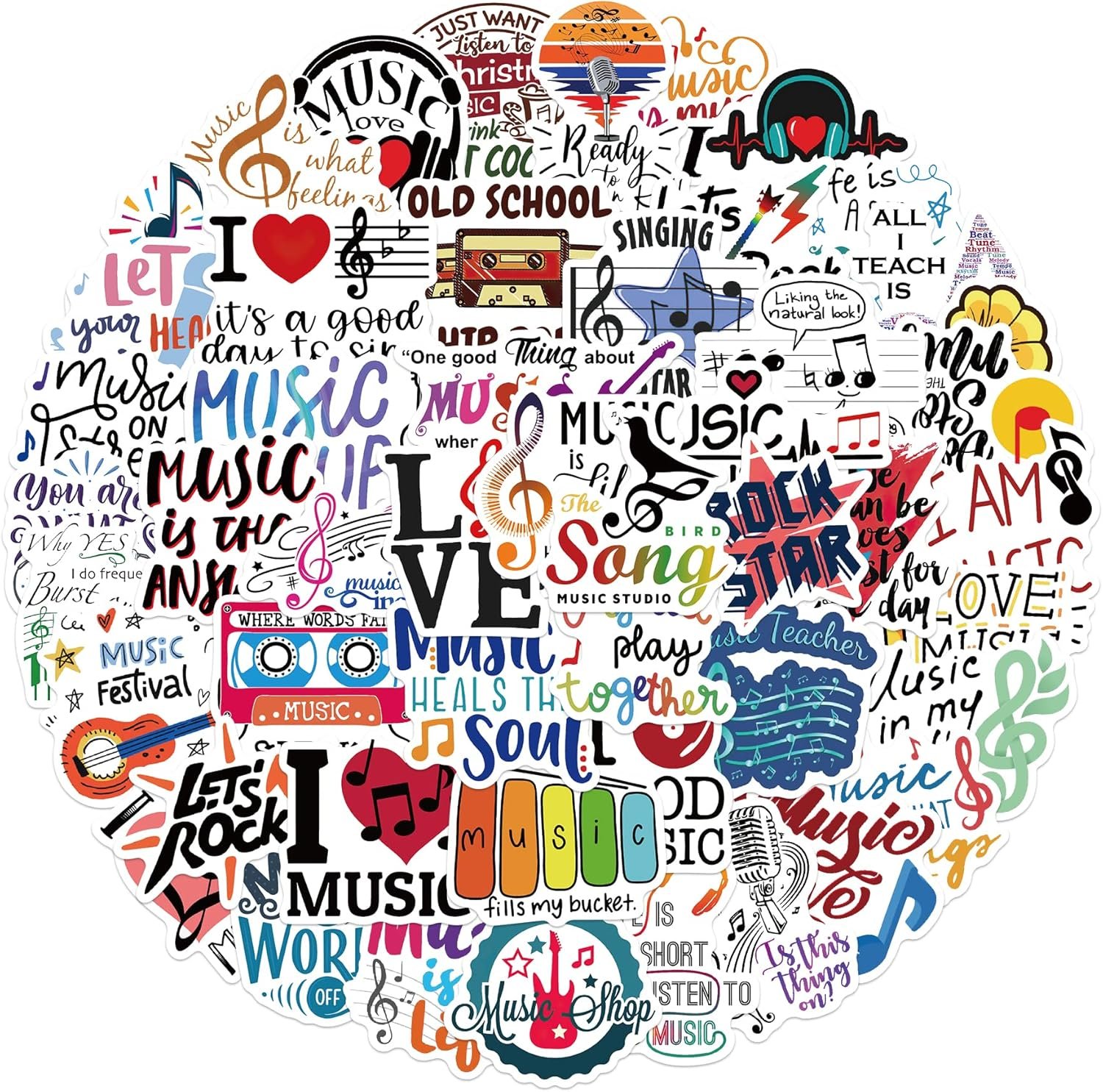
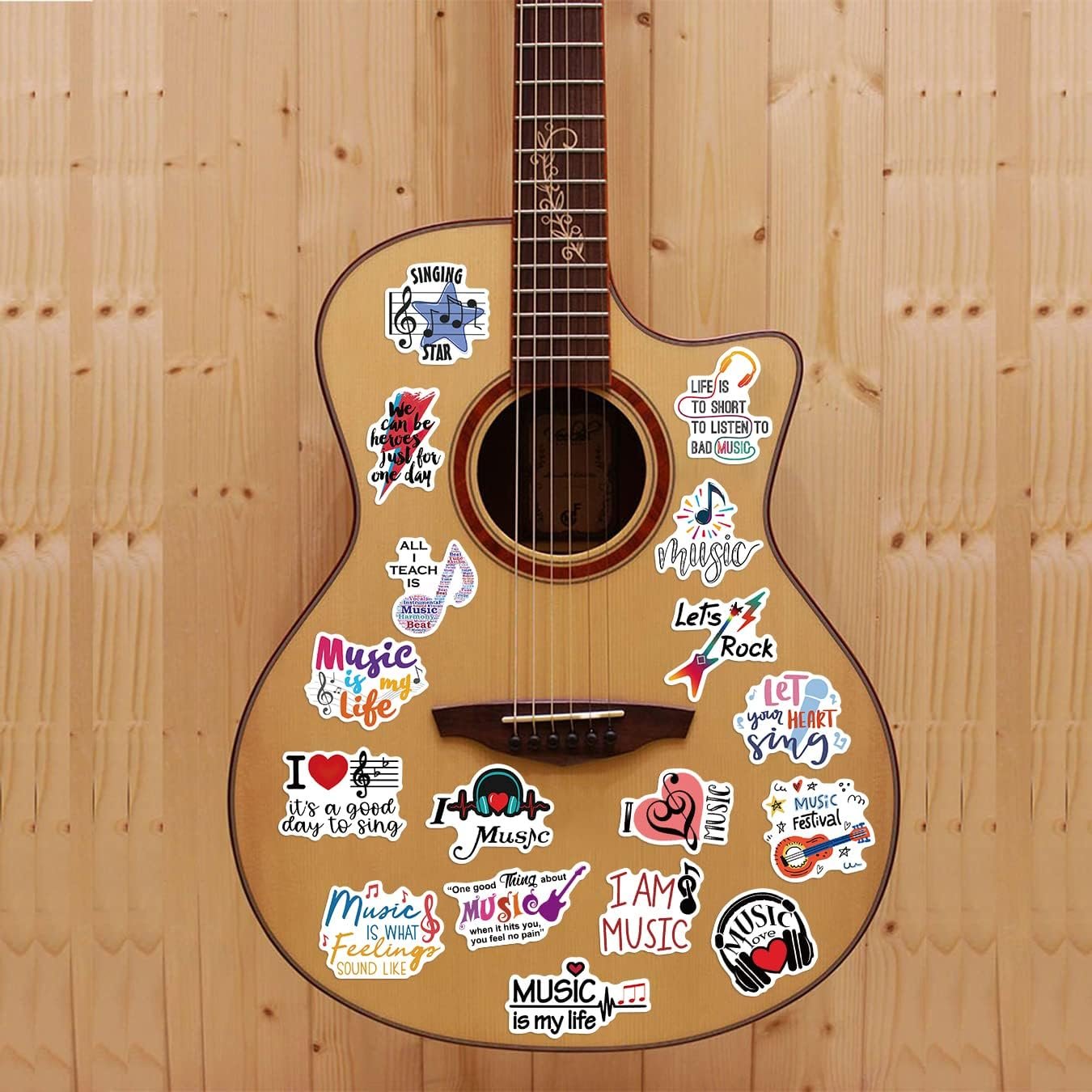
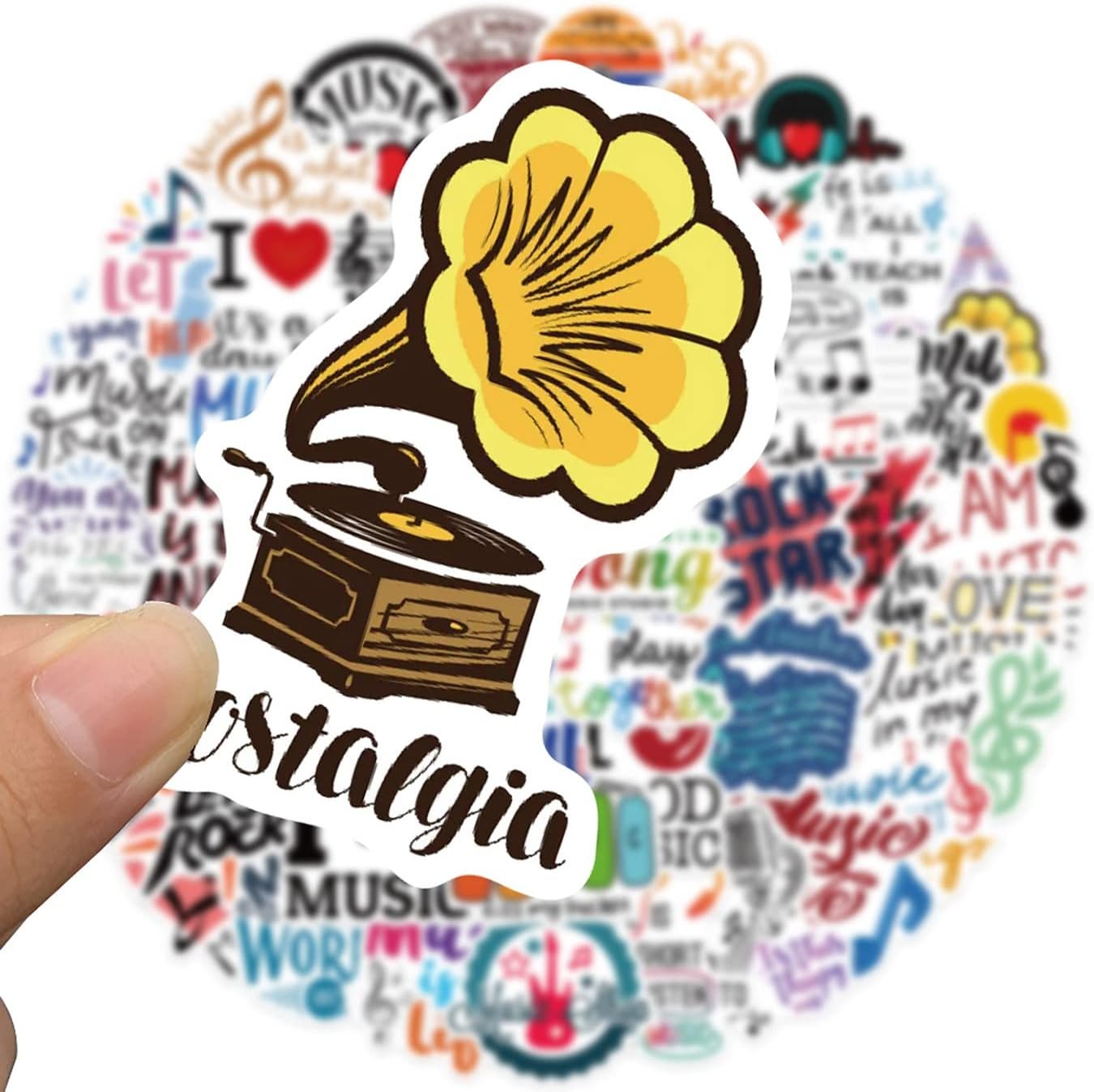
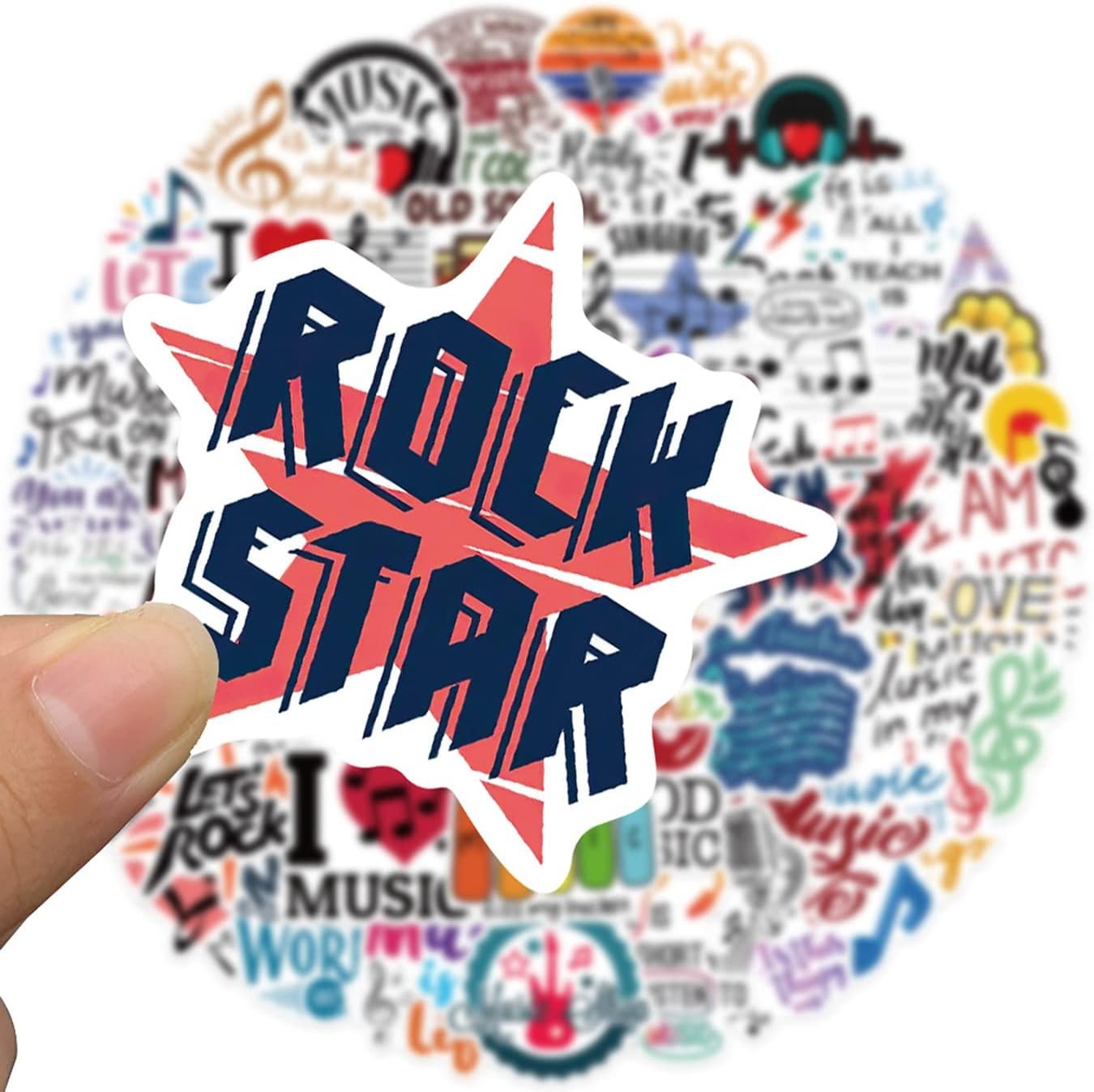
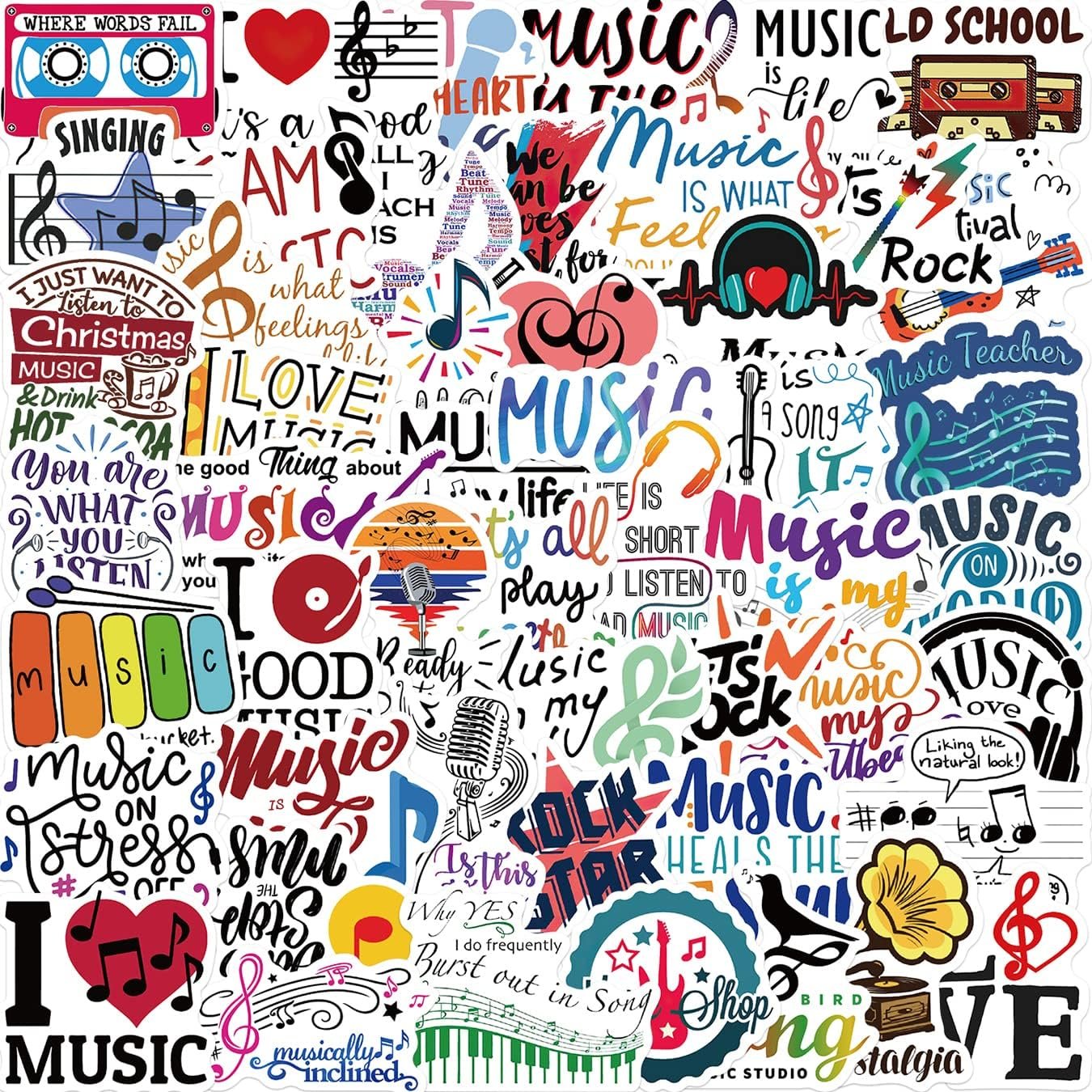
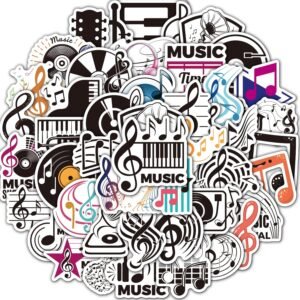
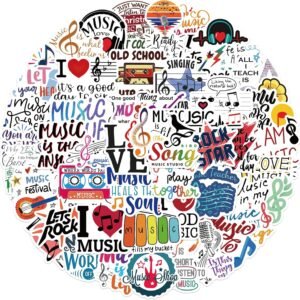
Music stickers have transformed from simple decorative items into multifaceted tools that serve educational, therapeutic, and social functions across various contexts. These vibrant adhesives featuring musical instruments, notation, artists, and cultural symbols have established themselves as valuable resources for educators, therapists, musicians, and music enthusiasts alike. The growing utilization of music stickers demonstrates their unique capacity to bridge auditory experiences with visual representation, creating new pathways for musical engagement, learning, and personal expression in both formal and informal settings.
Educational Integration and Learning Enhancement
The educational applications of music stickers span across multiple learning environments and age groups, proving particularly valuable in music pedagogy. Instrumental teachers consistently incorporate music stickers into their instructional methods to facilitate technical development and theoretical understanding. Piano instructors frequently apply color-coded music stickers to keys, creating visual guides that help beginning students navigate the keyboard while developing finger independence and spatial awareness. String teachers place music stickers on fingerboards to mark note positions, providing crucial visual references that support proper technique and intonation development during early learning stages.
Music theory instruction benefits significantly from strategic music stickers implementation. Educators create interactive theory worksheets and manipulatives using music stickers for activities ranging from basic note identification to advanced harmonic analysis. The tactile nature of music stickers engages kinesthetic learning channels, helping students internalize abstract theoretical concepts through hands-on manipulation. Special education music programs have developed particularly innovative applications, using customized music stickers as adaptive tools that make musical concepts accessible to students with diverse learning needs and physical abilities.
Classroom music education leverages music stickers for comprehensive listening activities and interdisciplinary connections. General music teachers design elaborate listening maps using music stickers to represent musical elements, forms, and structural developments within compositions. These visual representations help students comprehend complex auditory information by providing concrete reference points during listening exercises. Elementary educators frequently use music stickers to connect musical concepts with other academic subjects, creating integrated learning experiences that reinforce mathematical patterns through rhythm, historical understanding through period-specific compositions, and cultural awareness through world music traditions.
Cognitive and Developmental Benefits
The utilization of music stickers provides measurable cognitive benefits that extend beyond musical skill development. The process of selecting, manipulating, and placing music stickers engages multiple cognitive domains simultaneously, supporting integrated brain development. Fine motor skills receive significant reinforcement through the precise movements required to peel and position music stickers, while visual-spatial reasoning develops as students arrange stickers in specific patterns and relationships. These foundational cognitive abilities transfer to numerous academic and life skills beyond musical contexts.
Memory and retention demonstrate notable improvement when music stickers supplement traditional learning methods. The multisensory engagement of handling music stickers while processing musical information creates stronger neural pathways than auditory input alone. Educational research consistently shows that information associated with visual and tactile stimuli experiences enhanced recall, making music stickers valuable tools for reinforcing musical knowledge, technical procedures, and theoretical concepts. This memory enhancement proves particularly beneficial for students with learning differences who may struggle with traditional, lecture-based music instruction.
Executive function development receives substantial support through structured music stickers activities. Planning and organizing sticker-based projects requires students to exercise working memory, cognitive flexibility, and inhibitory control. Sequencing activities using music stickers to represent musical phrases or technical exercises strengthens pattern recognition and predictive thinking. The immediate visual feedback provided by music stickers arrangements helps students self-monitor their understanding and adjust their approaches accordingly, developing metacognitive awareness that supports independent learning.
Therapeutic Applications and Emotional Expression
Music therapy practices have increasingly incorporated music stickers as versatile tools for emotional expression, communication, and therapeutic assessment. Therapists working with nonverbal populations utilize music stickers as communication aids, allowing clients to express preferences, emotions, and experiences through sticker selection and arrangement. The non-threatening nature of music stickers helps build therapeutic rapport while providing clients with accessible means of self-expression, particularly valuable during early treatment stages when verbal communication may feel challenging.
Emotional regulation and mindfulness practices benefit from strategic music stickers implementation. Mental health professionals often incorporate music stickers into grounding exercises, using focused sticker activities to help clients manage anxiety and stress. The rhythmic, repetitive motions of peeling and placing music stickers can induce meditative states that support emotional regulation, while the creative aspect provides positive distraction during emotionally challenging moments. Many therapists design specific music stickers exercises to help clients visualize and externalize internal states, creating tangible representations of emotional experiences that can be examined and processed from a safe psychological distance.
Rehabilitation programs across various settings have discovered valuable applications for music stickers in motivation and progress tracking. Physical therapists incorporate music stickers into exercise regimens for patients recovering from injuries, using sticker charts to track repetition completion and celebrate incremental progress. Speech therapists use music stickers to reward effort and achievement in articulation practice and language development. The immediate positive reinforcement provided by music stickers helps maintain motivation through challenging rehabilitation processes, while the visual progress representation builds confidence and persistence.
Personal and Social Expression
Music stickers serve as powerful tools for personal identity construction and social connection within music communities. The specific music stickers individuals choose to display on their belongings communicate nuanced information about their musical tastes, cultural affiliations, and personal values. This non-verbal communication facilitates social bonding among like-minded individuals while serving as personal reminders of significant musical experiences and relationships. The portable nature of music stickers allows individuals to maintain connections to their musical identities across various contexts and environments.
The social dynamics of music stickers collection, trading, and display have created vibrant subcultures with their own traditions and practices. Music enthusiasts engage in sophisticated trading networks, both online and in person, seeking rare and meaningful music stickers that represent their musical journeys. The practice of strategic sticker placement in public spaces has evolved into an informal communication system among music subcultures, with specific locations becoming known as gathering spots for enthusiasts of particular genres or artists. These social practices demonstrate how music stickers facilitate community building and cultural transmission within music scenes.
The memorial function of music stickers provides significant emotional value for music enthusiasts. Many people use music stickers to commemorate important musical milestones including first concerts, significant album releases, musical collaborations, and personal creative achievements. These visual markers serve as tangible connections to meaningful experiences and relationships, often evoking powerful memories and emotions years after their acquisition. The capacity of music stickers to preserve and trigger musical memories contributes to their enduring popularity and emotional significance.
Commercial and Technological Evolution
The commercial landscape for music stickers has expanded dramatically with technological advancements and shifting marketing strategies. The music industry has increasingly recognized music stickers as valuable marketing tools that provide cost-effective brand exposure and fan engagement. Record labels regularly include music stickers in album packaging, creating enhanced unboxing experiences that strengthen fan connections while generating additional revenue streams. The relatively low production cost makes music stickers accessible to artists at all career stages, supporting more equitable access to merchandise creation across the music industry.
Technological innovation has transformed music stickers from simple adhesives to interactive multimedia experiences. Augmented reality music stickers that trigger audio, video, or interactive content when scanned with smartphones have created new possibilities for engagement and education. These high-tech music stickers bridge physical and digital musical experiences, maintaining the tactile benefits of traditional stickers while adding layers of interactive content. The development of customizable digital music stickers for messaging platforms and social media has extended their reach into virtual communication, creating new opportunities for musical expression in digital spaces.
Environmental considerations have driven significant innovation in music stickers production methods and materials. The growing demand for sustainable products has prompted manufacturers to develop eco-friendly music stickers using recycled materials, plant-based adhesives, and environmentally responsible printing processes. These sustainable options appeal to environmentally conscious musicians and fans while reducing the ecological impact of music merchandise. The continued development of earth-friendly music stickers represents an important step toward reducing the music industry’s environmental footprint while maintaining the creative and communicative functions that make music stickers valuable.
Cultural Documentation and Preservation
Music stickers serve as important cultural artifacts that document musical movements, technological shifts, and aesthetic trends across different eras. Vintage music stickers preserve visual representations of historical musical moments, capturing design styles, cultural references, and industry practices from specific time periods. Contemporary music stickers reflect current musical developments and social concerns, creating an ongoing visual record of evolving musical landscapes. This documentary function makes music stickers valuable resources for understanding the visual dimension of music history and its relationship to broader cultural contexts.
The global circulation of music stickers supports cross-cultural musical appreciation and understanding. Enthusiasts can acquire music stickers representing diverse musical traditions from around the world, exposing them to visual representations of global musical practices. This accessibility fosters cultural curiosity and appreciation, allowing individuals to engage with international musical traditions through affordable, accessible visual artifacts. Educational programs frequently incorporate music stickers from various cultures to support multicultural music education, helping students develop global awareness and appreciation for musical diversity.
Community organizations and social movements have recognized the communicative power of music stickers for promoting cultural initiatives and social causes. Nonprofit music organizations use custom music stickers to raise awareness about music education access, artist support programs, and cultural preservation efforts. Social movements with musical connections employ music stickers as grassroots organizing tools that spread messages through informal distribution networks. These applications demonstrate how music stickers serve purposes beyond commercial and personal use, functioning as tools for cultural advocacy and social change.
Conclusion
Music stickers represent a dynamic intersection of artistic expression, educational methodology, therapeutic practice, and cultural communication within global music ecosystems. Their multifaceted applications across diverse contexts demonstrate their unique capacity to enhance musical engagement through visual and tactile supplementation. The accessibility and adaptability of music stickers ensure their continued relevance across changing musical landscapes and technological environments.
The ongoing evolution of music stickers reflects broader shifts in how people create, consume, and relate to music in contemporary society. As digital streaming dominates music consumption, music stickers provide tangible connections to musical experiences that might otherwise feel ephemeral or disconnected from physical reality. Their capacity to document personal musical journeys while facilitating connections to broader musical communities ensures their enduring value for musicians, educators, therapists, and enthusiasts alike.
Future developments in music stickers will likely continue blending physical and digital experiences, sustainable manufacturing, and innovative applications across musical contexts. However, the fundamental human desire to visually represent musical passion and connection will ensure that music stickers maintain their core function of making musical engagement visible, tangible, and shareable. Whether serving educational, therapeutic, commercial, or personal purposes, music stickers will continue enhancing how people experience, understand, and express their relationships with music across cultures and generations.
Reviews
There are no reviews yet.