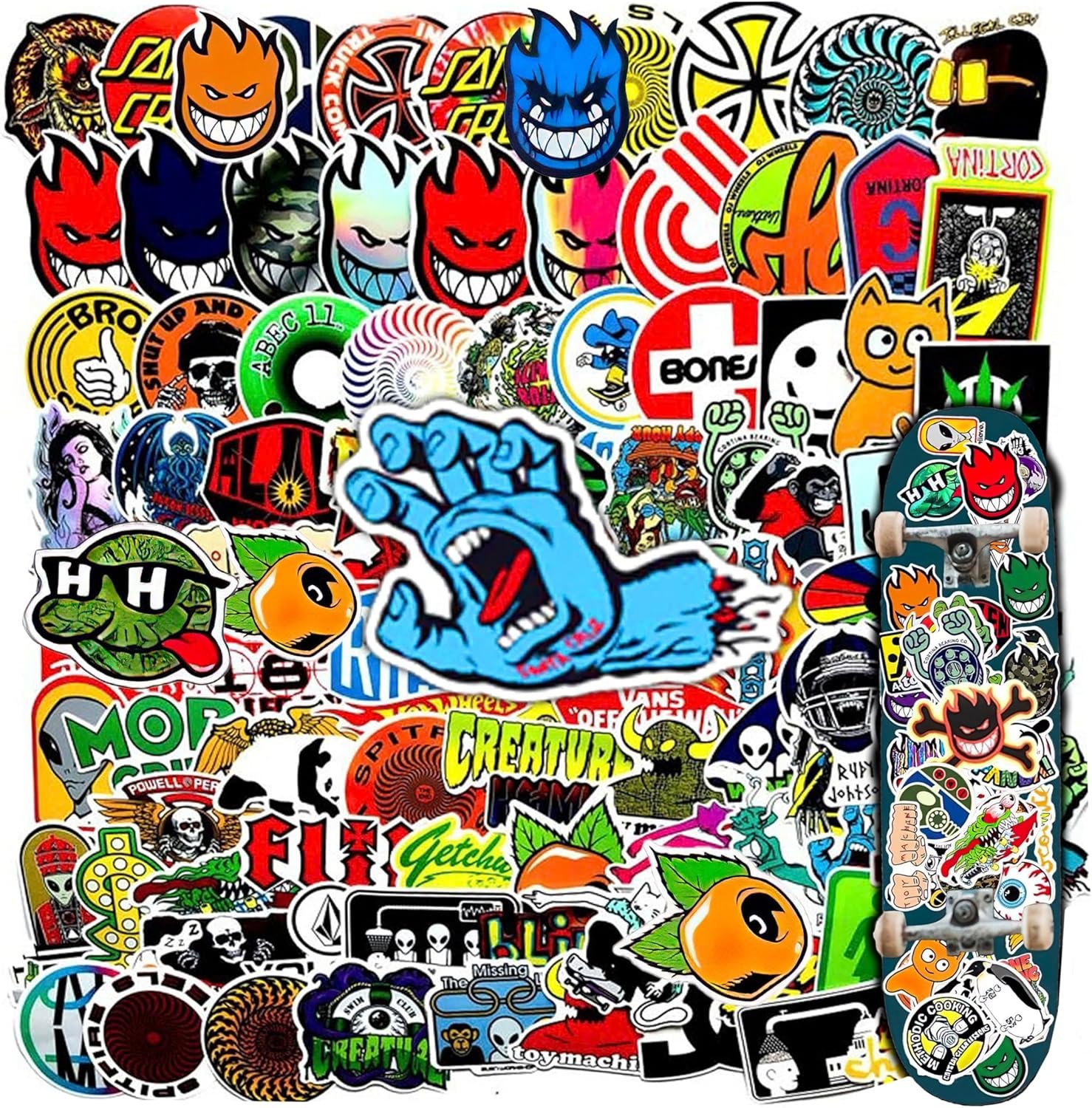
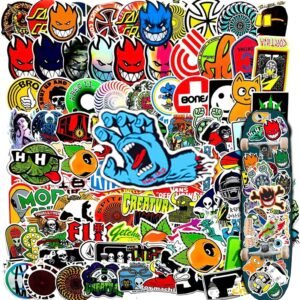
Skateboard stickers represent far more than simple decorations in the world of action sports and youth culture. These adhesive artworks serve multiple practical and social functions that have made them essential elements within skateboarding communities worldwide. From protecting your deck to communicating your style and affiliations, skateboard stickers have evolved into a complex language of self-expression that bridges functional protection with artistic statement. Understanding the full spectrum of their uses reveals why they remain perpetually popular among skaters of all ages and skill levels.
The Protective Functions of Skateboard Stickers
At their most practical level, skateboard stickers serve as protective layers that extend the life of your skateboard deck. The strategic placement of skateboard stickers across the deck’s surface creates a barrier against scratches, scrapes, and wear patterns that naturally occur during skating. Many experienced skaters develop sophisticated sticker placement strategies, concentrating skateboard stickers in high-impact areas like the tail and nose where board slides and tricks cause the most damage. This protective function proves particularly valuable for limited edition decks or expensive setups that skaters want to preserve while still using regularly.
The material composition of quality skateboard stickers makes them ideal for this protective role. Most are crafted from durable vinyl with strong adhesives that withstand friction, impact, and exposure to various elements. Unlike cheaper alternatives, proper skateboard stickers maintain their adhesion through temperature changes and moisture exposure, ensuring they stay in place during intense skating sessions. Some manufacturers even produce protective clear coats designed specifically to go over skateboard stickers, creating a seamless protective barrier that preserves both the stickers and the deck beneath.
Beyond deck protection, skateboard stickers serve secondary protective functions for other equipment. Applied to helmets, skateboard stickers can help personalize safety gear while creating visibility through reflective varieties. On skate tools and accessories, skateboard stickers help identify ownership while preventing surface rust. Even skate shoes sometimes receive carefully placed skateboard stickers in non-wear areas to extend their visual appeal between replacements.
Cultural Significance and Identity Expression
Within skateboarding culture, skateboard stickers function as visual currency that communicates affiliations, preferences, and identity. The specific skateboard stickers displayed on a deck or helmet tell a story about the skater’s influences, favorite brands, and social connections. Professional skaters’ signature skateboard stickers indicate admiration for particular athletes, while brand logos showcase loyalty to specific companies. This visual language creates immediate recognition among fellow skaters, facilitating connections and conversations based on shared preferences.
The collecting and trading of skateboard stickers represents a significant social ritual within skating communities. Skaters often trade skateboard stickers with friends, creating networks of exchange that strengthen social bonds. Skate shops frequently give away skateboard stickers with purchases, creating walking advertisements while rewarding customer loyalty. The pursuit of rare or limited edition skateboard stickers can become a passionate side hobby, with some collectors maintaining extensive archives of stickers they’ve acquired through years of skating and trading.
Skateboard stickers also document personal history and progression within the sport. Many skaters maintain their decks as evolving records of their skating journey, adding skateboard stickers to commemorate significant events, competitions, or personal milestones. A deck covered in skateboard stickers becomes a visual diary of the skater’s experiences, with each sticker representing a moment, place, or achievement in their development. This practice transforms functional equipment into personalized artifacts rich with meaning and memory.
Creative Expression and Customization
The blank canvas of a skateboard deck invites creative customization through skateboard stickers. Unlike many sports with standardized equipment, skateboarding encourages personalization that reflects individual style. Skateboard stickers offer the most accessible means of this customization, allowing skaters to create unique deck graphics without artistic training or expensive equipment. The arrangement of skateboard stickers becomes a form of collage art, with skaters developing distinctive compositions that transform mass-produced decks into one-of-a-kind creations.
The diversity of available skateboard stickers ensures that every skater can find options that match their aesthetic preferences. From minimalist designs and abstract patterns to detailed illustrations and photographic images, the range of skateboard stickers available reflects the diversity within skate culture itself. Some skaters prefer matching skateboard stickers that create cohesive themed decks, while others embrace eclectic mixes that showcase varied influences and interests. This flexibility makes skateboard stickers suitable for skaters of all ages, from children creating their first customized decks to adults maintaining personal style within the culture.
Beyond the deck itself, skateboard stickers have expanded into broader creative applications. Many skaters use matching skateboard stickers to create coordinated looks across their helmets, skate tools, and even non-skating items like laptops and water bottles. This extended customization creates a consistent personal brand that identifies the skater across different contexts and activities. The practice has influenced wider youth culture, with non-skaters adopting skateboard stickers as general fashion accessories that convey a connection to skateboarding’s aesthetic and attitude.
Economic Accessibility and Practical Benefits
One of the most significant advantages of skateboard stickers lies in their economic accessibility. Compared to custom-painted decks or professional graphic applications, skateboard stickers offer an affordable way to personalize equipment. This affordability makes creative expression accessible to skaters across economic backgrounds, maintaining the democratic spirit central to skateboarding culture. The low cost also encourages experimentation, allowing skaters to frequently update their deck’s appearance as their tastes evolve.
The practical benefits extend beyond initial application. Skateboard stickers can temporarily refresh worn decks, extending their visual appeal between replacements. For budget-conscious skaters, this can mean getting additional use from decks that remain structurally sound but have lost their visual appeal. The ability to layer skateboard stickers also means that compositions can evolve over time, with new stickers covering damaged areas or refreshing the overall look without completely starting over.
The secondary market for skateboard stickers creates additional economic opportunities within skate communities. Rare or discontinued skateboard stickers can become valuable commodities, with dedicated collectors and traders establishing markets through online platforms and skate shop bulletin boards. Some artists and small brands have built successful businesses primarily through producing limited-run skateboard stickers, demonstrating their economic viability beyond their functional roles in skateboarding.
Brand Connections and Industry Impact
Within the skateboarding industry, skateboard stickers serve crucial marketing and brand-building functions. Most skate companies include skateboard stickers with product purchases, creating positive customer experiences while increasing brand visibility. These walking advertisements appear wherever skaters take their boards, from local skate parks to urban street spots. The relatively low production cost makes skateboard stickers one of the most cost-effective marketing tools available to skate brands.
Professional skaters often develop signature skateboard stickers that become extensions of their personal brands. These stickers allow fans to show support while helping skaters maintain visibility between competition appearances and video releases. The popularity of certain professionals can be measured through the prevalence of their skateboard stickers in local skate scenes, providing informal market research for sponsors and manufacturers.
Skate media and events rely heavily on skateboard stickers as promotional tools. Magazines include sheets of skateboard stickers with subscriptions, while competitions and demonstrations distribute branded skateboard stickers to attendees. This practice strengthens community connections while creating lasting reminders of the events themselves. The collectible nature of these promotional skateboard stickers often extends their impact far beyond the initial distribution.
Maintenance and Application Techniques
Proper application and maintenance of skateboard stickers significantly impact their appearance and longevity. Experienced skaters develop techniques for maximizing both the visual impact and protective functions of their skateboard stickers. Cleaning the application surface thoroughly before placement ensures strong adhesion, while careful positioning avoids immediate wear areas for longer-lasting displays. Some skaters use hair dryers to slightly warm skateboard stickers during application, creating stronger bonds with the deck’s surface.
The maintenance of skateboard stickers involves regular cleaning and occasional touch-ups. Gently wiping skateboard stickers with damp cloths removes dirt and grime that can accelerate wear. For damaged skateboard stickers, careful patching with matching replacements can extend the overall composition’s life. Some skaters use clear grip tape over their skateboard stickers, creating durable protective layers that preserve intricate sticker artwork despite heavy use.
The strategic removal and replacement of skateboard stickers represents another aspect of their maintenance. When skateboard stickers become excessively worn or no longer reflect the skater’s current style, careful removal prevents damage to the deck beneath. Using heat to soften adhesives and slow, deliberate peeling techniques helps maintain the deck’s surface for future sticker applications or resale.
Conclusion
Skateboard stickers represent a perfect convergence of functional protection, personal expression, and cultural communication within skateboarding. Their multiple roles – from practical deck preservation to social signaling and artistic customization – explain their enduring popularity across generations of skaters. The accessibility and affordability of skateboard stickers maintain skateboarding’s democratic spirit while allowing for unlimited creative possibilities.
As skateboarding continues to evolve and influence wider culture, skateboard stickers remain constant as both practical accessories and cultural artifacts. They document personal journeys within the sport while connecting individual skaters to broader communities and traditions. Whether serving as protective layers, artistic mediums, or social connectors, skateboard stickers demonstrate how simple elements can hold profound significance within cultural practices. Their continued relevance seems assured as new generations discover the multiple satisfactions of carefully curating and applying these small but meaningful pieces of adhesive expression.



Reviews
There are no reviews yet.