Introduction
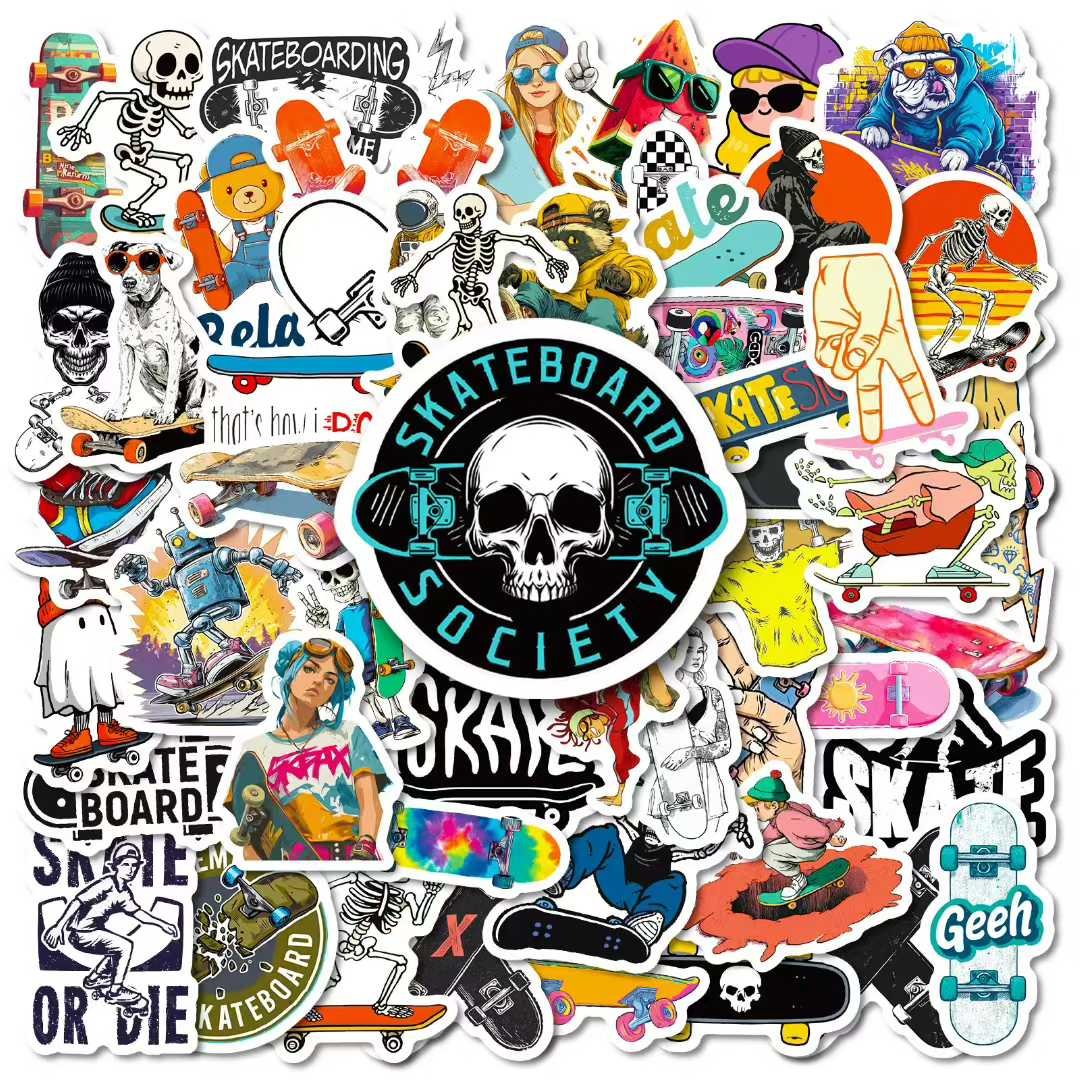
Skeleton stickers have climbed their way out of the grave and into the mainstream, becoming a surprisingly versatile tool for decorators, educators, and crafters alike. No longer confined to Halloween, these bone-themed decals now appear on water bottles, laptops, notebooks, and car windows year-round. The appeal of skeleton stickers spans from their edgy aesthetic to their educational value, making them a unique crossover between spooky fun and practical learning.
Whether you’re creating decorations for Halloween, developing anatomy study aids, or simply expressing your love for the macabre, making your own skeleton stickers offers endless creative possibilities. This comprehensive guide will walk you through multiple creation methods, explore innovative uses beyond basic decoration, and reveal the unexpected benefits of incorporating skeleton themes into your crafts and lessons.
Part 1: Creating Your Own Skeleton Stickers
Method 1: The Educational Anatomy Approach
Perfect for students, teachers, and medical professionals, this method focuses on accuracy and learning value.
Materials Needed:
-
Anatomical reference charts or digital skeleton diagrams
-
Printable vinyl sticker paper (matte finish reduces glare)
-
Precision cutting tools or craft cutter
-
Clear laminate sheets or UV-protective spray
-
Bone structure reference materials
-
Medical textbooks for accuracy verification
Step-by-Step Creation:
-
Source Selection: Begin with high-quality skeleton images from reputable anatomical sources. Public domain medical illustrations or creative commons educational resources work perfectly. Ensure the diagrams are appropriately detailed for your intended use.
-
Digital Enhancement: Use free software like Canva or GIMP to:
-
Isolate individual bones or skeletal groups
-
Add clear labeling for educational purposes
-
Adjust contrast for better visibility
-
Create color-coded systems for different skeletal sections
-
-
Printing Protocol:
-
Use matte finish vinyl paper for reduced glare
-
Select high-resolution printing settings
-
Conduct test prints on regular paper to verify scale
-
Allow adequate drying time before handling
-
-
Precision Cutting:
-
Use craft cutters for complex bone shapes
-
Maintain clean edges for professional appearance
-
Consider cut lines for articulated joints
-
Create registration marks for proper anatomical alignment
-
-
Quality Assurance:
-
Verify anatomical accuracy against reference materials
-
Test adhesion on various surfaces
-
Ensure durability through multiple applications
-
Check labeling clarity and readability
-
Method 2: The Creative & Decorative Approach
For those seeking artistic expression rather than scientific accuracy, this method emphasizes style and personality.
Materials for Creative Designs:
-
Watercolor paper for textured effects
-
Metallic and glow-in-the-dark paints
-
Embossing powders for dimensional effects
-
Mixed media elements for collage effects
-
Transparent vinyl for window applications
Artistic Techniques:
-
Style Development:
-
Create cartoon-style skeletons for playful applications
-
Design vintage anatomical drawing replicas
-
Develop minimalist bone structure designs
-
Experiment with Day of the Dead calavera styles
-
-
Medium Exploration:
-
Watercolor washes for subtle bone shading
-
Ink line work for definition and detail
-
Digital painting for precise control
-
Collage techniques for mixed-media skeletons
-
-
Special Effects:
-
Glow-in-the-dark compounds for nighttime visibility
-
Metallic accents for decorative appeal
-
Texture pastes for dimensional interest
-
Transparent layers for depth illusion
-
Part 2: Practical Applications of Skeleton Stickers
Educational and Professional Uses
Classroom Integration:
-
Interactive Learning: Create skeletal puzzles where students assemble complete skeletons from individual bone stickers
-
Anatomical Labeling: Use stickers for identification exercises on skeletal diagrams
-
Comparative Anatomy: Display different animal skeletal structures side by side
-
Medical Training: Practice bone identification and spatial relationships
Study Aid Applications:
-
Textbook Enhancement: Mark important skeletal sections in anatomy books
-
Flashcard Creation: Make reusable study aids with bone identification
-
Lab Equipment Labeling: Identify skeletal models and specimens
-
Visual Mnemonics: Create memory aids using colored skeletal sections
Creative and Seasonal Uses
Home and Personal Decor:
-
Seasonal Decorations: Create Halloween displays with spooky skeleton scenes
-
Laptop Customization: Design unique skeletal displays on electronic devices
-
Journal Enhancement: Use as visual elements in bullet journals and planners
-
Holiday Projects: Incorporate into Day of the Dead altars and decorations
Special Projects:
-
Costume Accessories: Create temporary tattoo effects or costume details
-
Party Supplies: Decorate tableware, invitations, and party favors
-
Art Journaling: Incorporate into mixed media artwork
-
Gift Packaging: Use as unique gift tags and decoration
Part 3: Benefits and Advantages of Skeleton Stickers
Educational Benefits
Enhanced Learning Retention:
-
Visual Learning: The combination of visual elements with tactile application improves information retention by engaging multiple learning pathways
-
Spatial Understanding: Hands-on placement helps students comprehend skeletal relationships and anatomical proportions
-
Interactive Engagement: Active participation in learning processes increases concept understanding and long-term memory
-
Progressive Complexity: Ability to start with basic structures and advance to detailed anatomy as knowledge grows
Accessibility Advantages:
-
Cost-Effective: More affordable than traditional anatomical models or charts
-
Portable: Easy to transport and use in various learning environments
-
Durable: With proper lamination, can withstand repeated use in classroom settings
-
Customizable: Adaptable to different learning levels and specific educational focuses
Creative and Psychological Benefits
Artistic Expression:
-
Style Development: Allows exploration of different artistic approaches from realistic to stylized
-
Thematic Exploration: Provides opportunity to work with intriguing anatomical themes
-
Technical Skill Building: Develops precision cutting and design skills
-
Creative Problem-Solving: Challenges creators to represent complex structures in sticker form
Emotional Engagement:
-
** Curiosity:** The intriguing nature of skeletons captures attention and stimulates interest
-
Conversation Starting: Unique skeleton designs often spark discussions and social interactions
-
Humor Integration: Allows for playful approaches to a traditionally serious subject
-
Cultural Appreciation: Provides opportunity to explore different cultural representations of skeletons
Part 4: Advanced Applications and Innovative Ideas
Technology Integration
Digital Enhancement:
-
QR Code Integration: Link stickers to online resources, 3D models, or interactive quizzes
-
AR Compatibility: Create augmented reality experiences through sticker triggers using free AR apps
-
Digital Documentation: Use in video tutorials and online anatomy lessons
-
Interactive Displays: Combine with touch-screen technology for educational games
Professional Applications:
-
Physical Therapy: Demonstrate skeletal mechanics and proper alignment to patients
-
Yoga Instruction: Show bone placement and alignment in different poses
-
Dance Education: Illustrate skeletal mechanics in movement and technique
-
Art Classes: Teach figure drawing and proportion using skeletal foundations
Community and Therapeutic Uses
Educational Outreach:
-
Library Programs: Use in children’s science programs and anatomy workshops
-
Museum Activities: Enhance bone-related exhibits with interactive sticker elements
-
Community Health Fairs: Educate about bone health and skeletal anatomy
-
Senior Programs: Use in osteoporosis awareness and bone health education
Therapeutic Applications:
-
Medical Education: Help patients understand their skeletal conditions or injuries
-
Phobia Reduction: Use cartoon skeletons to gently introduce anatomical concepts
-
Memory Care: Incorporate into cognitive exercises and reminiscence therapy
-
Physical Rehabilitation: Motivate exercise with skeletal education components
Conclusion
Skeleton stickers represent a fascinating convergence of education, art, and practical application that transcends their initial spooky reputation. Their value extends far beyond simple decoration, serving as powerful tools for anatomical education, professional development, and creative expression. The process of creating and using these stickers engages multiple learning modalities, making complex anatomical concepts more accessible and memorable for diverse audiences.
The versatility of skeleton stickers allows them to serve everyone from elementary students encountering basic biology to medical professionals reviewing complex anatomical relationships. Their adaptability to different learning styles and environments makes them particularly valuable in today’s varied educational landscape, where visual and hands-on learning are increasingly recognized as essential components of effective education.
Moreover, the creative potential of skeleton stickers demonstrates how scientific subjects can intersect with artistic expression, making learning more engaging and personally meaningful. Whether used in formal educational settings, professional training environments, or personal creative projects, these unique stickers offer a compelling way to explore and appreciate the fascinating architecture of the skeletal system.
As educational methods continue to evolve and embrace multimodal approaches, skeleton stickers stand as testament to how simple, well-designed tools can make complex subjects accessible, engaging, and even beautiful. They remind us that learning about our bodies can be not just educational, but also creatively inspiring and personally transformative. The continued popularity of skeleton stickers across so many applications suggests they’ll remain a valuable tool for education and expression for years to come.

Reviews
There are no reviews yet.